

Raleigh Fence Permit Requirements | Complete Guide for Homeowners
Permits can feel like small details, but in the City of Oaks they often decide whether your fence project runs smoothly or turns into an expensive mistake.
Zoning codes, height limits, and visibility rules catch homeowners off guard all the time. A fence near Western Boulevard in Southwest Raleigh may need extra clearance, while a corner lot by Blue Ridge Road could trigger sight-triangle restrictions. In established areas like Cameron Village or Brier Creek, even switching from wood to vinyl may require city approval.
The best approach is simple: let experts manage the red tape for you. Professional fence contractors in Raleigh take care of permits, inspections, and compliance so you can focus on choosing a fence that fits your home. Before you dig the first post hole, here’s what every homeowner should know.
Do You Need a Fence Permit in Raleigh?

Raleigh requires a permit for more situations than many homeowners realize:
New fence installation: Any new fence, regardless of material or height, needs approval.
Replacing more than 50% of an existing fence: Even if you’re swapping out old panels for new ones, the city treats this as a new project.
Changing fence height or material: For example, replacing a 4-foot wood fence with a 6-foot vinyl privacy fence requires a permit.
Fences along thoroughfares or intersections: Extra rules apply where traffic visibility or public safety is involved.
You don’t need a permit for minor repairs or if you replace less than half of your fence with the same height and material. Still, it’s always best to double-check because zoning rules can vary by district. You can confirm details in the City of Raleigh Permit Guide.
Raleigh Fence Rules
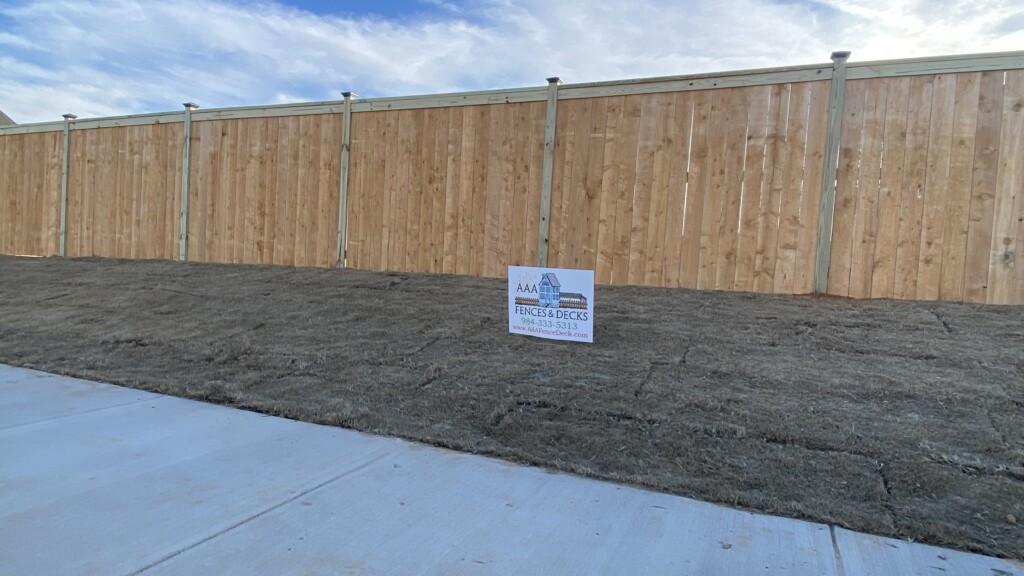
Height & Setback Rules
Height is one of the most common reasons a fence application gets rejected. In Raleigh:
Front yards are usually limited to 4 feet.
Backyards and side yards may allow fences up to 6 or 8 feet, depending on zoning.
Corner lots must respect “sight triangles,” which protect driver visibility near intersections.
Materials & Design Considerations
Raleigh allows a wide variety of fencing materials, but not all are treated equally when it comes to permits.
Wood is common, but swapping it for vinyl or aluminum may trigger new approval.
Chain link fences are generally allowed in side and rear yards but often restricted in front yards.
Composite fences are known for their durability. However, they might face stricter reviews in historic districts or HOA-controlled areas.
For a breakdown of which options last longest, check out our blog on the best fence materials for Raleigh NC climate.
Step-by-Step Fence Permit Application Process

Raleigh’s permit process is handled through the city’s online portal, but you’ll need to prepare before applying.
- Create a site plan: Sketch your property lines, include measurements, and show exactly where the fence will sit.
- Submit through the Permit Portal: Upload your plan, complete the form, and pay the application fee.
- Schedule inspections: After approval, inspectors may visit your property to verify placement and compliance.
Common Mistakes to Avoid
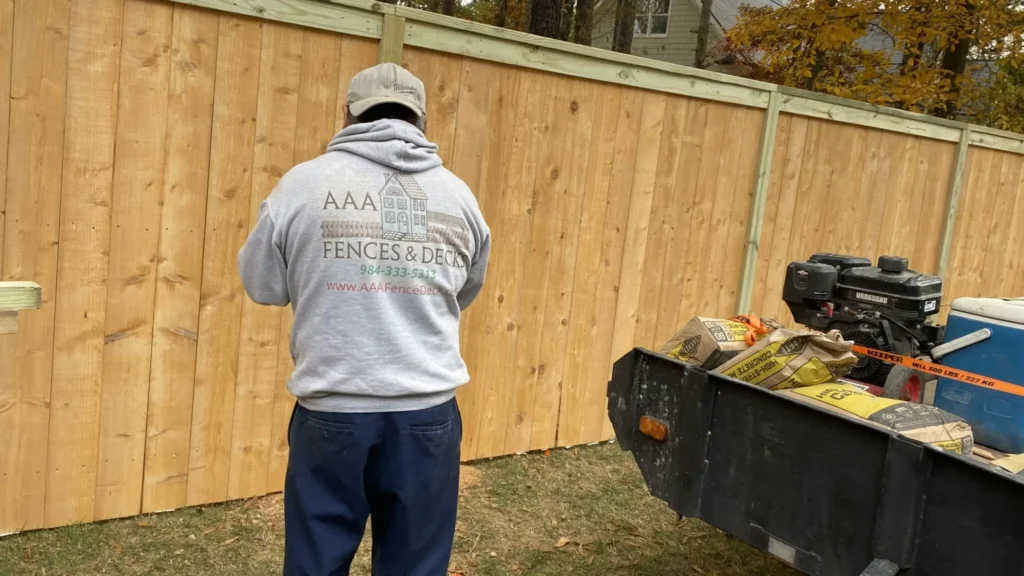
Even experienced DIYers trip over Raleigh’s fence rules. Avoid these common pitfalls:
Ignoring HOA rules: Neighborhoods like North Hills or Five Points often have stricter standards than the city itself.
Overlooking easements: Utility lines, drainage ditches, and greenways may block you from building exactly where you want.
Mis-measuring setbacks: A few inches over the line can mean tearing down a brand-new section.
Skipping the final inspection: Without it, your project isn’t officially approved, which can cause problems if you sell your home.
Working with City Inspectors

City inspectors play an important role in making sure new fences meet safety standards and comply with local codes.
During an inspection, officials will carefully review the fence’s height, setbacks, and materials to ensure they match your submitted site plan. They pay close attention to spots near driveways and intersections as visibility is vital for traffic safety there.
If something doesn’t meet the city’s requirements, inspectors usually give a correction notice instead of a rejection. This gives you a chance to make adjustments, but it can still add delays and extra costs.
How AAA Fence & Deck Makes Permits Easy

Homeowners often find the permit process stressful, but AAA Fence & Deck makes it easy. As a veteran- and family-owned company with over 30 years in the Raleigh area, we know the zoning codes and neighborhood rules inside and out.
Here’s what we do for you:
- Prepare and submit site plans.
- Manage communication with city officials.
- Ensure materials and designs meet local codes.
- Schedule and guide inspections.
- Back every project with a two-year workmanship warranty.
Instead of worrying about paperwork, you get to focus on choosing the style and look you want.
Build Smart, Build Legal

Building a fence in Raleigh without a permit is a gamble you don’t want to take. Rules exist to maintain the safety and visual consistency of the neighborhoods. That’s why you need to correctly handle permits from the start.
With AAA Fence & Deck, you don’t have to memorize city codes or stress over setbacks. Our team takes care of the details so your project stays on time, on budget, and in compliance.
Call (984) 333-5313 or visit us to schedule your free consultation.
Frequently Asked Questions
Do all fence heights in Raleigh require a permit?
Yes! Even short front-yard fences usually need approval. Front yards are generally limited to 4 feet, while side and backyards can go 6–8 feet—but any new fence still needs a permit before installation.
Are there special fence rules near Cary or Morrisville?
Yes. Homes near Cary and Morrisville often sit on corner lots or close to busy intersections, which means sight triangle rules are enforced more strictly. A fence that blocks driver visibility may require redesign or approval from the city.
Can I build a fence along Leesville Road or near major thoroughfares?
Fences along roads like Leesville Road or Capital Boulevard need to follow extra safety and design rules. Height, material, and setback rules are stricter to protect sightlines for traffic. This is why thoroughfare projects almost always require permits and city review.
What happens if my fence fails inspection?
If your fence doesn’t pass inspection, the city may issue a correction notice, delaying your project until changes are made. Hiring AAA Fence & Deck guarantees that we meet all local and neighborhood rules right from the beginning.
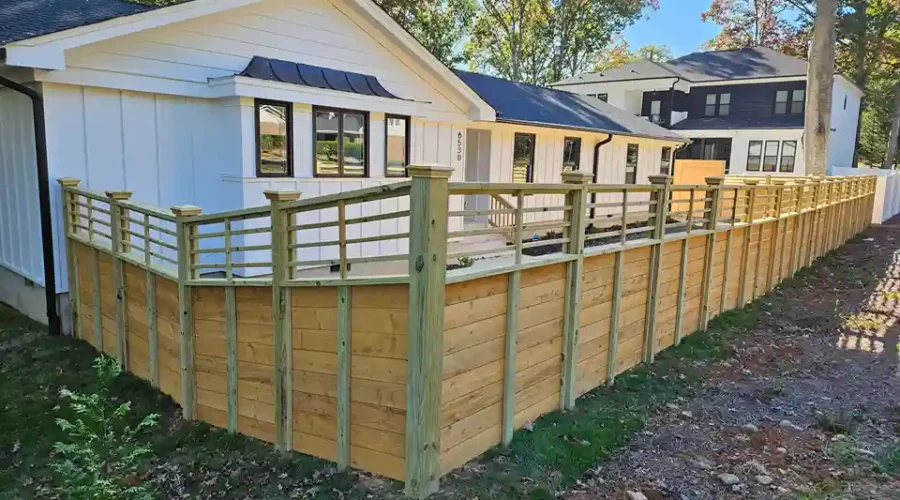
Best Fence Materials for Raleigh NC Climate | Weather-Resistant Guide
In Raleigh, the best fence material is about more than curb appeal—it’s about durability. Your fence has to handle muggy summers in North Hills, sudden freezes near Falls Lake, and the heavy spring rains that sweep through Five Points. The wrong choice can leave you with warped boards, mildew stains, or posts shifting in clay soil.
That’s why picking the right fence isn’t just a design choice; it’s an investment in durability. A well-chosen fence stands tall for decades, saving you on repairs while keeping your home looking its best. At AAA Fence & Deck, we’ve helped homeowners choose weather-resistant fencing in Raleigh that lasts through the area’s toughest conditions. Let’s break it down.
Raleigh’s Climate & Soil Factors

Raleigh’s weather swings put any fence to the test. Humid summers soak untreated wood, inviting mold and swelling. By winter, temperatures dip low enough for freeze-thaw cycles that crack boards and stress posts. Spring storms and fall rains bring standing water that seeps into soil, weakening foundations.
Then there’s the Piedmont clay. In areas like Brier Creek or along Glenwood Avenue, dense clay soils hold water and shift under pressure. Without proper installation, posts can lean or sink over time. Any fence that isn’t designed for these conditions is bound to fail early.
Fence Materials Compared in Raleigh’s Climate
Homeowners face unique conditions, so here’s how the most common materials stack up side by side.
| Material | Pros | Challenges | Best Practices | Best For |
| Wood | Classic curb appeal, customizable, affordable upfront | Warps/rots in humidity, insect damage | Use cedar/cypress, apply sealant, ensure drainage | Homeowners prioritizing aesthetics, historic districts like Oakwood or Boylan Heights |
| Vinyl | Moisture-resistant, minimal upkeep, no rot | Can fade in hot sun, brittle in cold snaps | Choose UV-protected vinyl, lighter shades | Busy families wanting low maintenance |
| Aluminum | Rust-resistant, durable in wet climates, lightweight | Less privacy, may shift in clay soil | Professional install, reinforced posts | Pool enclosures, decorative perimeter near Umstead Park homes |
| Composite | Eco-friendly, strong blend of wood fibers & plastic, long life | Higher upfront cost, limited style options | Invest in pro installation, routine cleaning | Long-term homeowners in upscale areas like North Ridge or Stonehenge |
Remember that each material has its place. The best option depends on your budget, your style preferences, and how much maintenance you’re willing to commit to.
Cost vs. Lifespan in Raleigh

Cost isn’t just about the day you install a fence. It’s about how long that fence lasts before you have to replace it.
- Wood: Usually the least expensive upfront. Expect 10–15 years if you reseal and maintain it regularly. In humid pockets near Walnut Creek, neglecting care could cut that in half.
- Vinyl: A mid-range choice that lasts 20+ years with little maintenance. Great for homeowners who don’t want annual upkeep.
- Aluminum: A higher upfront cost, but extremely durable. With proper installation, aluminum fences can last 30+ years, making them ideal for permanent properties.
- Composite: Premium pricing, but combines the strength of plastic with the appeal of wood. Lifespans stretch 25–30 years when professionally installed.
If you want to keep your neighborhood relationships smooth while you’re at it, see our guide on Fence Etiquette in Raleigh Neighborhoods for insights on placement and HOA expectations.
Extra Considerations for Raleigh Homeowners

Building in Raleigh isn’t just about materials. It’s also about compliance and preparation.
- HOA Rules: Many neighborhoods, from North Hills to Stonehenge, require specific fence heights or approved styles.
- Permits: Raleigh requires permits for most residential fences. Learn more from the City’s Residential and Commercial Fences page.
- Soil Prep: Dense Piedmont clay means posts need reinforcement and proper drainage. Without it, your fence could tilt or sink.
- Warranties: In a climate as demanding as Raleigh’s, a strong workmanship warranty—such as a two-year, no-questions-asked guarantee—gives you the peace of mind that your investment is protected.
Raleigh NC Seasonal Fence Care Guide
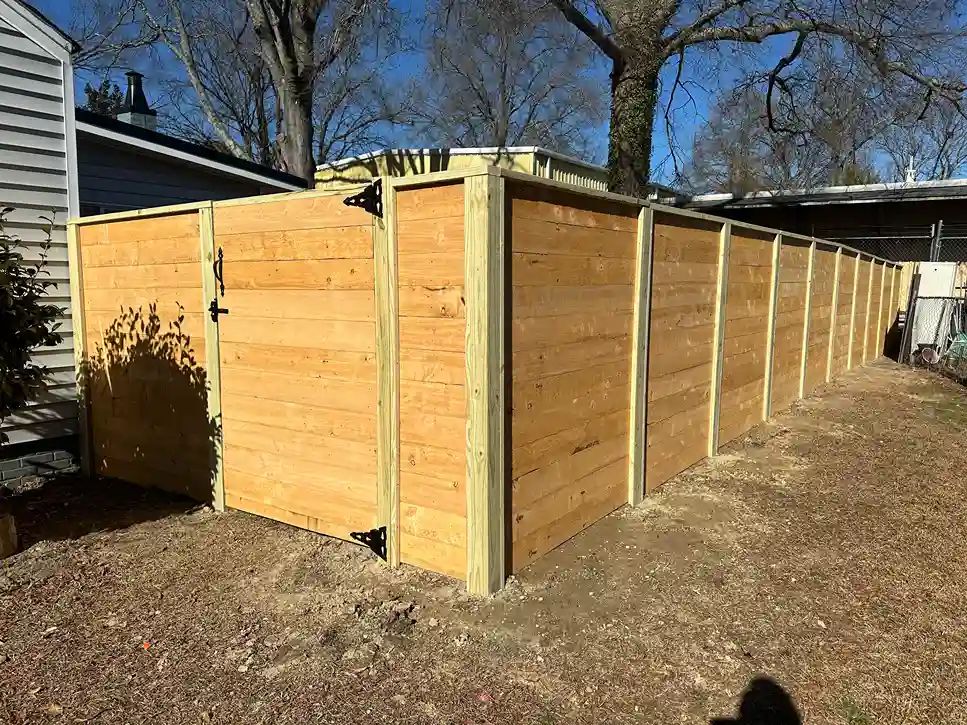
A fence faces different challenges each season. Regular upkeep can extend its life by years.
- Spring: Heavy rains bring moss and mildew. Clean surfaces, check for soil erosion around posts, and reseal wood fences.
- Summer: High humidity and strong UV rays are hard on all materials. Wash vinyl and composite, trim vegetation away from wood, and apply UV protectants.
- Fall: Hurricanes and storms can topple weak posts. Inspect for loose gates, tighten hardware, and clear leaves that trap moisture.
- Winter: Freeze-thaw cycles shift soil and stress posts. Make sure water drains away, check for frost heave, and tighten fasteners.
Building Fences That Weather Storms
From sticky summers to icy winters, fences need to be built with weather resistance in mind. Choosing the right material means fewer headaches, lower repair costs, and more time enjoying your yard.
At AAA Fence & Deck, we combine veteran-owned expertise, premium materials, and proven installation techniques to build fences that last. Whether you need privacy, security, or a decorative touch, we’ll design and install a solution built for Raleigh’s conditions.
Contact (984) 333-5313 or visit us today for a free consultation.
Frequently Asked Questions
Is wood still a good option in Raleigh?
Yes, but it requires commitment. With consistent care, wood fences last 10–15 years. In shaded, damp areas of Raleigh like parts of Cary, the lifespan may be shorter without regular sealing.
How much does a weather-resistant fence cost in Raleigh?
Costs vary by material and yard size. Wood is usually more affordable upfront, while vinyl and aluminum cost more initially but save money long term with less maintenance.
Which fence materials require the least maintenance?
Aluminum and vinyl are the easiest. Both resist moisture, don’t need sealing, and stand up well to seasonal swings.
How does Raleigh’s clay soil affect fence durability?
Clay-heavy soil can shift during heavy rains or freeze-thaw cycles, causing posts to lean. Reinforced posts and professional installation help prevent this.


- ‹ Previous
- 1
- 2