

How Do Fence Permit Requirements Differ in Mooresville vs. Iredell County?
Mooresville and Iredell County may share the same skies, but when it comes to fences, they follow slightly different rulebooks. The trick is figuring out which one governs your backyard. And that’s exactly what this guide is for—so your next fence build starts off right.
If you’re planning something soon, consider working with trusted local fencing experts in Mooresville who know the code quirks that can make or break a project and more importantly, how to keep it stress-free.
Knowing Which Jurisdiction You’re In

First, you’ll need to know whose paperwork pile your address lands in: the Town of Mooresville or Iredell County. It’s not always obvious. Neighborhoods grow, borders shift, and some spots fall into what’s called an Extra-Territorial Jurisdiction—a kind of planning gray zone.
You can usually tell by checking your property tax bill or the online GIS (Geographic Information System) map. If it lists the town as your taxing authority, you’ll follow municipal rules. If not, you’re dealing with Iredell County’s Central Permitting office.
Here’s a local clue: homes around the Winnie L Hooper Center—just north of downtown—typically sit inside town limits. Move a few blocks out, and you might already be under county control.
If you’re unsure where your property falls, it’s best to verify with local offices before beginning the permitting process.
Fence Rules: Mooresville vs. Iredell County

A. Local Differences in a Nutshell
The town keeps its fencing rules relatively simple, while Iredell County takes a more structured approach. Both follow the North Carolina Building Code, but their interpretations and enforcement vary slightly.
Within town limits, fences under seven feet typically don’t require a permit. The main focus is on aesthetics and safety—things like height, visibility, and pool barriers. County properties, however, often need a zoning permit to confirm compliance with setback requirements and property lines.
If you’d like to see how detailed the county process gets, check the official Iredell County permitting guidelines. They explain when zoning reviews apply and how those connect to Environmental Health and septic system clearances.
B. Mooresville Highlights
In most neighborhoods, you can build up to seven feet high in side and rear yards, but the front can’t exceed four feet unless it’s decorative iron or open-view material.
You’ll notice fences along Sherrill St and W McLelland Ave that follow this pattern—low and welcoming in front, taller privacy styles in back. Pool fences, meanwhile, must follow state code: self-latching gates, minimum heights, and no climbable gaps.
Permitting is only required for pools or structures that tie into building safety. Everything else? Usually a quick nod from the planning desk. That said, if your subdivision has an HOA, approval might still be mandatory. For design ideas that balance compliance and curb appeal, you can explore our article about Mooresville fence standards.
C. Iredell County Highlights
Step outside the town boundary and the story changes. The county zoning team takes a closer look at everything, especially fence height and distance from property lines.
Residential fences generally top out at six feet unless you’re zoned for agriculture or commercial use, where eight feet is allowed. Setbacks typically run six feet from the property line or right-of-way. If your yard includes a septic field, Environmental Health reviews your layout before a shovel hits dirt.
According to the county’s permitting office, most residential fence permits are processed within two to five business days—a quick turnaround by North Carolina standards. Still, skipping that permit can lead to a stop-work notice, and no one wants that.
D. Quick Comparison Table
| Requirement | Mooresville | Iredell County |
| Fence Permit | Usually not required | Required in many zones |
| Max Height (Residential) | 7 ft rear/side, 4 ft front | 6 ft residential, 8 ft agricultural |
| Pool Fence Rules | Must meet NC Code | Must meet NC Code |
| Review Time | Same-day / minimal | 2–5 business days |
| HOA / Other Approvals | Often required | Optional unless subdivision |
| Jurisdiction Contact | Mooresville Planning Dept | Iredell Central Permitting |
Understanding Boundaries and Getting It Right
If you’re building within town limits, focus on HOA approval and make sure your fence stays within property lines. Out in the county? Plan ahead for the permit queue and check your setbacks carefully.
It gets a little more complicated near the borders. Extra-Territorial Jurisdiction (ETJ) stretches roughly a mile beyond its official limits, so even if your mailing address says Iredell County, you might still fall under town zoning. Annexation zones can be just as tricky—two houses on opposite sides of the same road can have entirely different requirements.
It’s the kind of surprise you don’t want showing up with the inspector. To avoid that, take a few minutes to verify your jurisdiction before building. You can call either planning department for confirmation or consult local fencing professionals who can confirm which rules apply and help streamline the process from the start.
How AAA Fence & Deck Simplifies Compliance

Here’s the thing about building codes: they’re meant to protect you, not trip you up. AAA Fence & Deck makes sure of that.
From initial design sketches to HOA forms and zoning submittals, our team takes care of every administrative step. You get clear timelines, transparent pricing, and craftsmanship that holds up long after inspection day.
With over 30 years of experience and more than 500 installations across the region, we’ve seen every fence scenario—pool enclosures, vinyl privacy builds, chain link for pets, even custom composite decks that match new fences. And with a 2-year workmanship warranty, peace of mind comes standard.
Schedule a free consultation today and let our experts handle the red tape while you plan your dream fence.
Build with Confidence, Build with AAA

The rules may change from one side of the street to the other, but quality shouldn’t. Whether you live downtown or on a quiet road outside town, building a code-compliant, long-lasting fence starts with knowledge—and the right partner.
If you’re not sure where your property falls, or which permits you need, just contact our team at (980) 223-3313. We’ll walk you through every step before the first post goes in.
Because a great fence doesn’t just define your space—it defines peace of mind.
Frequently Asked Questions
What are Iredell County’s fence setback requirements?
Typically, county fences must sit about six feet off the property line or right-of-way. That gives room for maintenance access and avoids disputes. Along E Center Ave, where zoning changes quickly, the county might adjust setbacks slightly—so it’s worth confirming with Central Permitting before you dig.
How tall can my fence be in Mooresville or Iredell County?
In Mooresville, seven feet is the cap for back and side yards. Iredell County limits residential fences to six feet (eight for agricultural use). Drive down N Broad St, and you’ll see plenty of examples—privacy panels tucked just below that limit, blending safety with good looks.
Can I build a fence near Lake Norman without violating view or easement rules?
Yes, but tread carefully. Around Lake Norman State Park, many properties have shoreline easements that can restrict solid fences or require setbacks to protect drainage paths and viewsheds. HOA covenants near the lake are often stricter than town or county codes.
What if my HOA rules are stricter than county or town fence codes?
Always follow the more restrictive standard. HOA covenants can’t override safety codes, but they can demand specific styles or materials. Along Cornelius Rd, several developments require ornamental aluminum fronts even though the county allows wood or vinyl.
How Can Fencing Increase Property Value in Mooresville, NC?
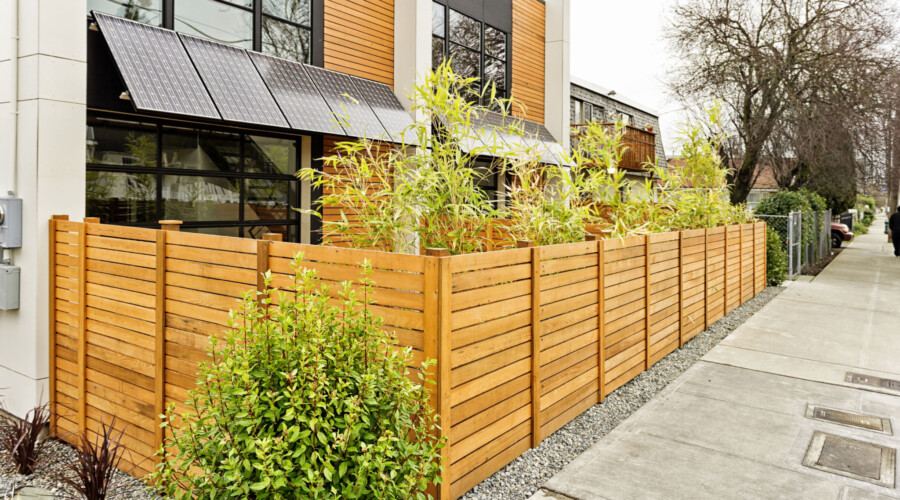
A well-designed fence can instantly elevate a home’s curb appeal and market value. It defines the property’s boundaries, adds privacy, and signals that the space has been cared for. In today’s competitive housing market, those details make a difference in how buyers perceive quality and upkeep.
Throughout growing neighborhoods, you’ll see fences that do more than provide security — they complement architectural styles and enhance outdoor spaces. Whether it’s a clean modern design, classic wood, or decorative aluminum, the right fence creates a sense of order and investment that buyers notice immediately.
As a trusted fence contractor in Mooresville, we’ve seen firsthand how thoughtful fencing projects can boost both aesthetics and appraised value. In this guide, we’ll break down which styles add the most appeal, what materials perform best locally, and how the right installation can make your property stand out to buyers.
Market Snapshot: The Real Estate Climate
Mooresville’s housing market moves fast. The area’s blend of suburban growth and small-town warmth has attracted everyone from young professionals to retirees looking for lake access and convenience. Proximity to Charlotte makes it a commuter’s dream, while spots like Pine Lake Prep Athletic Complex keep local families anchored and active.
In such a diverse market, outdoor improvements have become quiet differentiators. Appraisers and real estate agents often note how homes with clean, well-designed yards and fences attract more showings and higher offers. Fencing plays a big part in that story. It can define property lines, buffer road noise, or simply complete a home’s exterior symmetry—all of which feed into the emotional calculus of a buyer deciding between “maybe” and “let’s make an offer.”
Even in newer developments, homeowners are learning that it’s not enough to have a fence—it needs to fit the property. When it does, it elevates everything around it: the deck, the patio, even the landscaping.
The Economics of Fencing: ROI and Appraisal Factors
Every improvement carries a question: what’s the return? In Mooresville, fencing offers a surprisingly strong answer. A quality installation often recoups 50–70% of its cost in resale value, depending on material, condition, and design. Wood remains a favorite for its warmth and affordability, but vinyl and composite fences have surged ahead thanks to their low maintenance and clean lines. Aluminum fencing, particularly in lakefront properties, offers both visual openness and corrosion resistance.
Appraisers tend to assess fences based on permanence and harmony with the home’s character. A sturdy cedar privacy fence that complements a craftsman-style bungalow is seen as an asset. A leaning, patchwork repair job? A liability. The logic mirrors what the revaluation and assessment guide from the University of North Carolina’s School of Government explains: improvements integrated with the property, like fencing, contribute to overall market value.
You can see this playing out in neighborhoods near Stonemason Ct and Huntly Ln, where subtle upgrades like uniform fencing and decorative gates have reshaped curb appeal across entire blocks. One updated property often inspires the next. It’s a chain reaction of value—quite literally built from the ground up.
Buyer Psychology: Fences That Seal the Deal

Buyers are emotional creatures, even when they swear they’re practical. A well-built fence speaks to something beyond logic. It represents privacy, safety, control. It draws a literal line between the chaos of the street and the comfort of home.
In Mooresville’s family-heavy suburbs, a fenced backyard instantly tells parents, “the kids can play here.” For pet owners, it’s peace of mind. And for everyone else, it’s just good design. Real estate agents report that homes with defined, attractive boundaries often photograph and show better. The photos pop more in online listings and the property feels more finished.
It’s not uncommon for buyers to say things like, “It just feels private here,” even when they can’t pinpoint why. That’s the fence doing quiet psychological work. It gives shape to a home’s story, even before the front door opens.
Design Harmony: Matching Fence Style to Property Type

A fence isn’t a standalone feature. It’s an extension of the home’s architecture. The best ones follow the same design logic as a good porch or roofline: consistent materials, complementary colors, proportionate scale.
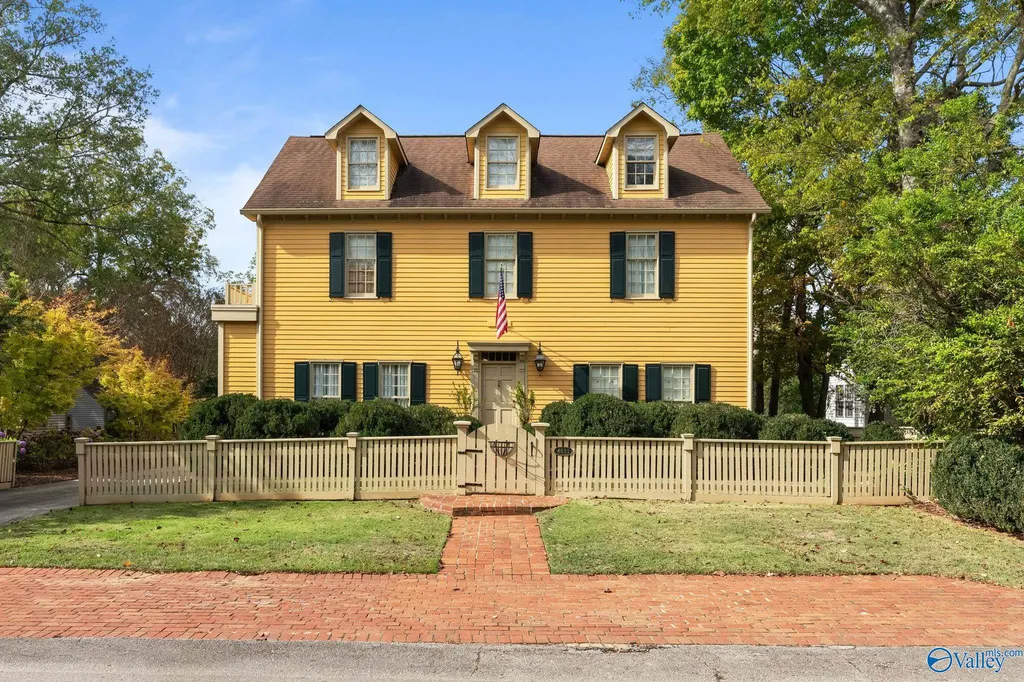
Colonial-style homes around Mooresville look natural with white picket or classic shadow-box designs. Lakefront moderns often favor horizontal slats or aluminum rails that preserve views of the water. Suburban craftsman homes, meanwhile, blend beautifully with stained wood or neutral vinyl. Matching the tone of your neighborhood is equally important, especially if your HOA outlines approved styles or height limits.
Understanding local design standards isn’t just about aesthetics—it’s about staying compliant. If you’re planning a new build or upgrade, it helps to read this Mooresville vs Iredell County fence rules guide to avoid permitting delays or disputes. Small details like gate placement or height restrictions can make a big difference when it’s time for an appraisal or inspection.
Harmony, in the end, sells. A fence that looks like it belongs doesn’t draw attention—it draws admiration.
Long-Term Value: Maintenance, Sustainability & Risk Mitigation

The best investments hold their value because they’re easy to live with. Fences are no exception. A low-maintenance vinyl or composite fence can last two decades or more without repainting, which means no fading headaches and no warping from humid summers. Wood, while classic and charming, demands periodic sealing or staining—think of it as ongoing care, not a chore.
Today’s buyers are also tuned into sustainability. Recyclable materials and responsibly sourced lumber appeal to eco-minded homeowners who see value beyond curb appeal. A fence that lasts longer not only saves money but also reduces waste.
Then there’s the less glamorous but equally important side of ownership: risk mitigation. A solid fence defines property boundaries clearly, reduces liability from wandering pets, and can prevent neighborly disputes that sour resale experiences. When appraisers talk about “condition and site improvements,” this is part of what they mean. A well-kept perimeter signals order, care, and financial prudence—traits that buyers reward with stronger offers.
Key Takeaways for Mooresville Homeowners

- Quality materials drive returns. Buyers can spot cheap construction instantly. Invest once; benefit for years.
- Design coherence builds trust. The right style and proportions tell buyers your home has been intentionally maintained.
- Upkeep matters. A freshly stained or power-washed fence suggests overall home health.
- Compliance prevents setbacks. Meeting HOA and municipal requirements keeps sales smooth and stress-free.
When Curb Appeal Becomes Capital

A fence might seem like a boundary, but in Mooresville, it’s more of an introduction—a frame that makes your property stand out before the first handshake or open house. The right one blends function with form, giving your home that polished, intentional look that whispers value instead of shouting for attention.
For homeowners planning to sell—or simply protect what they’ve built—it’s worth remembering that aesthetics and appraisal often go hand in hand. You’re not just installing panels and posts. You’re shaping perception, reinforcing safety, and elevating everyday life.
If you’re considering an upgrade or want insight on what fits your neighborhood best, reach out to us or call (980) 223-3313. Sometimes the smartest move in real estate is as simple as drawing the right line—one that defines your property and your investment future.
Frequently Asked Questions
What fence style sells best for homes near downtown Mooresville?
In older districts around West Iredell Avenue, simple and classic designs—like white vinyl picket or short decorative iron—tend to attract buyers. They fit the area’s historic tone while signaling upkeep without heavy maintenance.
How often should a wood fence be refinished in humid areas?
Every two to three years is ideal. The local humidity and rainfall mean moisture can creep in fast. Responsible homeowners often schedule seasonal staining to prevent rot and fading before the summer heat peaks.
Will a new fence help my home stand out in neighborhoods near the lake?
Definitely. Properties around LangTree Lake Norman benefit from fencing that balances openness with privacy—like aluminum or horizontal wood slats that preserve water views. It creates a modern, resort-like appeal that buyers love.
Are there local regulations about fence height in residential areas and do they affect property value?
Yes. While it may seem like a small detail, height consistency across a neighborhood helps maintain a unified, upscale look—something appraisers notice. Properties near Bluefield Road that stay within these limits often present better curb appeal, avoiding the visual clutter that can lower perceived value. Following the rules isn’t just about compliance; it’s about protecting the aesthetic rhythm that keeps property values steady.Yes. While it may seem like a small detail, height consistency across a neighborhood helps maintain a unified, upscale look—something appraisers notice. Properties near Bluefield Road that stay within these limits often present better curb appeal, avoiding the visual clutter that can lower perceived value. Following the rules isn’t just about compliance; it’s about protecting the aesthetic rhythm that keeps property values steady.

What Are the Most Popular Fence Styles in Mooresville, NC?
Fences do more than mark boundaries — they help shape the character of a community. The right fence blends into its surroundings, enhancing privacy, security, and curb appeal.
Here, where Southern charm meets modern design, homeowners often look for a balance between tradition and style. From picket fences in historic districts to sleek aluminum or composite in newer developments, the best choice depends on HOA guidelines, property size, and neighborhood tone.
If you’re planning a new installation or an upgrade, understanding local trends and standards can save you time and ensure the project feels right at home. For expert guidance, work with a local fence company in Mooresville that knows the materials, HOA rules, and neighborhood preferences that define the region’s most popular styles.
Historic Downtown Mooresville: Respecting Tradition
Downtown feels like stepping back in time—brick sidewalks, shaded porches, and rocking chairs that have seen decades of summers. With early-1900s Victorians beside Craftsman bungalows, fences here should complement, not compete.
Wood picket fences are timeless—painted white or left cedar-toned, they frame front yards without blocking the view. Slat spacing matters: wide enough to reveal the garden, close enough to define the space. Homes with ornate trim or tall windows often suit wrought-iron or aluminum designs—black metal, simple finials, and classic curves fit the district’s historic feel.
Proportion is everything. A fence that’s too tall or too modern can unbalance a century-old home faster than you’d think. Stick to heights that align with porch rails or window bases so everything feels visually anchored. You’ll see this idea play out across the historic district: harmony over flash.
If you’re curious how design choices like these can influence home appeal, take a look at our Mooresville fence styles that boost property value. It’s surprising how much the right profile or material can affect both charm and appraisal numbers, especially in character-driven neighborhoods.
NASCAR-Influenced Developments: Bold, Modern, and Functional

Head south toward neighborhoods shaped by Mooresville’s racing roots, and the change is instant. Homes here are sleeker, lines sharper—the kind of architecture that welcomes bold, modern fencing. You’ll see it near Mooresville Golf Range and Mini Golf, where design leans into sharp geometry and outdoor spaces blend with open driveways.
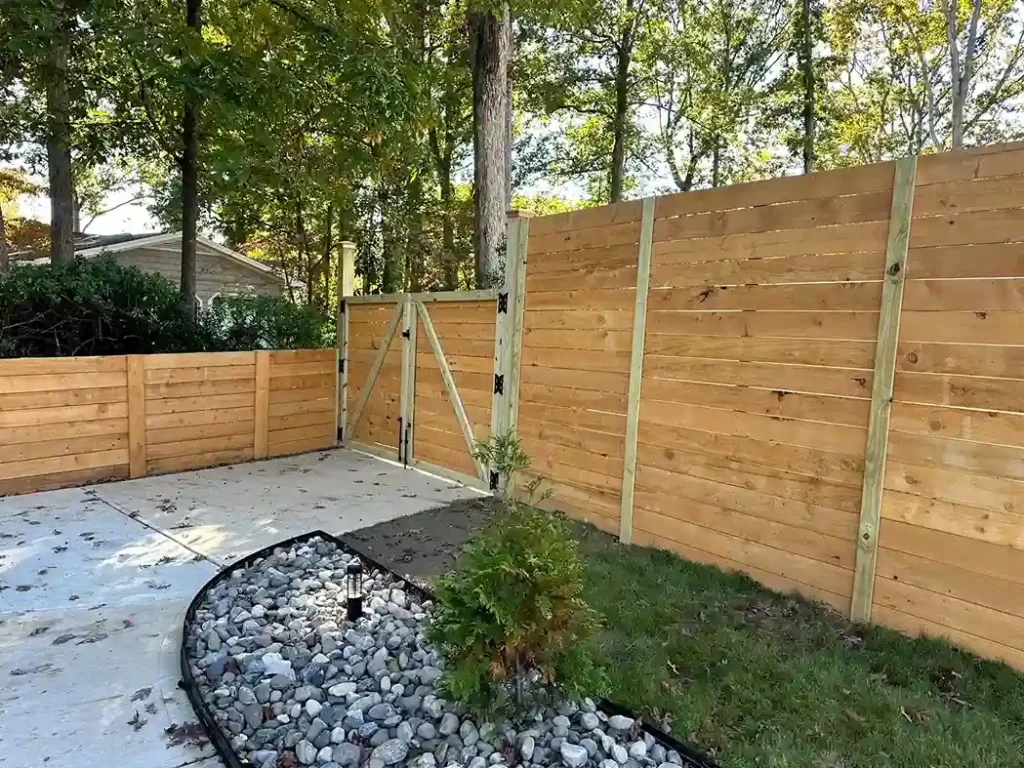
Horizontal wood-slat fences hit that balance perfectly. They feel fresh but warm, especially when treated in neutral stains like ash, espresso, or driftwood gray. For homeowners chasing longevity, composite panels offer the same aesthetic with less maintenance. Pair them with black powder-coated metal frames, and you’ve got a fence that’s equal parts sleek and strong.
Vinyl privacy fences also shine in these close-lot communities. They define outdoor spaces and dampen noise—just choose softer tones like taupe or slate to keep things architectural, not industrial.
Modern fence design celebrates movement, speed, and clean edges—a recognition of the motorsport spirit that built this part of town. Think of fences here as extensions of that energy: practical, polished, and purposeful.
Rural & Transitional Areas: Blending Landscape and Lifestyle

Follow the winding edges toward Raintree Ln and Talbert Rd, and you’ll hit the town’s gentler side. The space opens up. The wind feels wider, quieter, scented with pine and damp soil. Out here, fences have to belong to the landscape, not compete with it.
That’s why split-rail and post-and-board fences remain favorites. They trace property lines without cutting the horizon. You’ll often see them weathering into silvery gray, their color matching the bark of nearby oaks. For larger properties that need to balance beauty and practicality, hybrid ranch fencing—wood rails with wire infill—keeps pets or livestock contained without losing that open feel.
Sustainability also plays a bigger role in these zones. Homeowners are increasingly choosing recycled composite materials or responsibly sourced lumber that stands up to North Carolina’s mix of humidity and sun. It’s their sense of stewardship—design that looks good and lasts.
For anyone planning to build in these transitional pockets, it’s smart to review the area’s land development standards. They outline setback rules, visual harmony guidelines, and best practices for keeping new structures consistent with the local environment. Following them not only saves time during approval but also ensures your project truly fits the rhythm of the land.
Practical Design Tips for Homeowners

Before choosing materials, step back and look at your home. What story does it tell? A craftsman cottage with deep eaves and tapered columns might call for natural wood in warm stains. A newer build with bold trim and dark windows could handle metal or composite just fine. The goal is always cohesion. Your fence should feel like an intentional part of the property, not an afterthought tacked on for privacy.
Next, check your HOA rules. Many neighborhoods regulate everything from height to color. It’s worth a quick read before finalizing your plan; some communities even require drawings or samples before approval. And for homeowners outside those boundaries, local zoning still matters, especially if you’re near intersections or easements.
Color is another under-rated design choice. Try echoing shades from your roofline, shutters, or deck. Even subtle coordination makes a fence feel “built in.” You’ll notice this trick walking through newer developments—neutral tones that flow between homes, creating a sense of order without uniformity.
And if you’re aiming for curb appeal, revisit that earlier guide on fence styles that boost property value. It’s a solid reminder that good design doesn’t just look better; it pays off, too.
Style Meets Community
Every neighborhood tells a story through its fences. The crisp lines in modern subdivisions. The weathered rails on the outskirts. The picket shadows across downtown lawns. Together they define the visual rhythm of Mooresville—its blend of history, progress, and homegrown charm.
So when you plan your next project, think beyond the boundary. Think about how your fence fits into the shared picture. That sense of continuity is what keeps neighborhoods feeling cohesive, connected, and unmistakably local.
For expert advice, or to discuss materials that match your home’s style, get in touch with our team or call (980) 223-3313. Sometimes the right fence isn’t just about privacy—it’s about pride of place.
Frequently Asked Questions
What fence materials last longest around McNeely Ave?
Given the moisture from surrounding shade and low-lying terrain near the area, composite and pressure-treated wood perform best. They resist rot and maintain appearance through humid Carolina summers.
Can I build a privacy fence along Shearers Rd?
Yes—but expect to follow visibility and setback guidelines. The place has higher traffic, so any fence facing the road must maintain a clear sightline for safety. Use panels no taller than six feet within the first twenty feet of your driveway entrance.
How often should fences be maintained?
Sun exposure in locations like off Edgemoor Dr can fade finishes quickly. Plan on cleaning and resealing wooden fences every two to three years. For vinyl or composite, a light wash with soapy water in spring usually keeps them fresh.
What are the HOA restrictions for homes around Cornelius Rd?
Most communities near Cornelius Rd do operate under HOA covenants. These often specify fence color, style, and alignment with existing neighborhood designs. Before purchasing materials, request your HOA’s architectural guidelines to avoid revisions later.
Which Premium Fence Designs Meet HOA Standards in Mooresville?
In neighborhoods like Morrison Plantation, beauty and order define the community. Each fence line, pool edge, and sightline feels intentional, like part of a shared aesthetic code. But behind those clean edges is another kind of blueprint: fence and pool safety standards.
For homeowners, the challenge isn’t just meeting the code. It’s keeping your outdoor space beautiful while doing it. The goal? Safety without the sacrifice—because your home is a statement. And when it comes to designing fences that blend seamlessly with your pool or landscape, the trusted Mooresville fence experts know exactly how to balance safety with style.
What the Town and HOAs Require

Rules are straightforward but they leave little room for improvisation. Every fence and pool enclosure must meet both town and HOA standards, and sometimes those two layers don’t overlap neatly.
Under the North Carolina building code, pool barriers must rise at least 48 inches high, with no more than 2 inches of clearance at the bottom and openings smaller than 4 inches. Gates have to close and latch on their own, a detail many homeowners overlook until inspection day. These specs aren’t arbitrary; they’re designed to prevent small children or pets from slipping through.
The state incorporates these requirements directly into the permit process. You can’t pull a pool permit without addressing the barrier first—something clearly outlined by the North Carolina Office of State Fire Marshal. In other words, your fence isn’t just an accessory; it’s a permit requirement.
Then comes the HOA layer. Associations often tighten the rules beyond the town’s minimums—especially in high-value communities near Lake Norman. Expect restrictions on materials, visibility, and even post placement to maintain consistency and preserve the upscale appeal homeowners expect.
Maintaining Aesthetic Harmony in Mooresville’s Upscale Neighborhoods

If you’ve ever walked around Langtree Lake Norman or driven the winding streets near Brawley School Road, you’ve probably noticed how fences seem to disappear into the scenery. Nothing loud or clashing—it’s all by design. HOAs in these neighborhoods are as much about preserving atmosphere as they are about property lines.
While the town enforces safety, the HOA curates style. They’ll tell you which colors complement neighborhood architecture, which materials preserve lake views, and where fences must stop to maintain open sightlines. A wrought-iron design might pass in one subdivision but fail in another that favors composite or muted finishes.
For many homeowners, navigating those guidelines can feel like decoding fine print. Experienced fence installers manage the paperwork, prepare HOA submittals, and coordinate inspections so your project moves from concept to completion without delays or citations. It’s the kind of quiet expertise that keeps both the process—and your property—stress-free.
Premium Materials That Balance Safety and Design
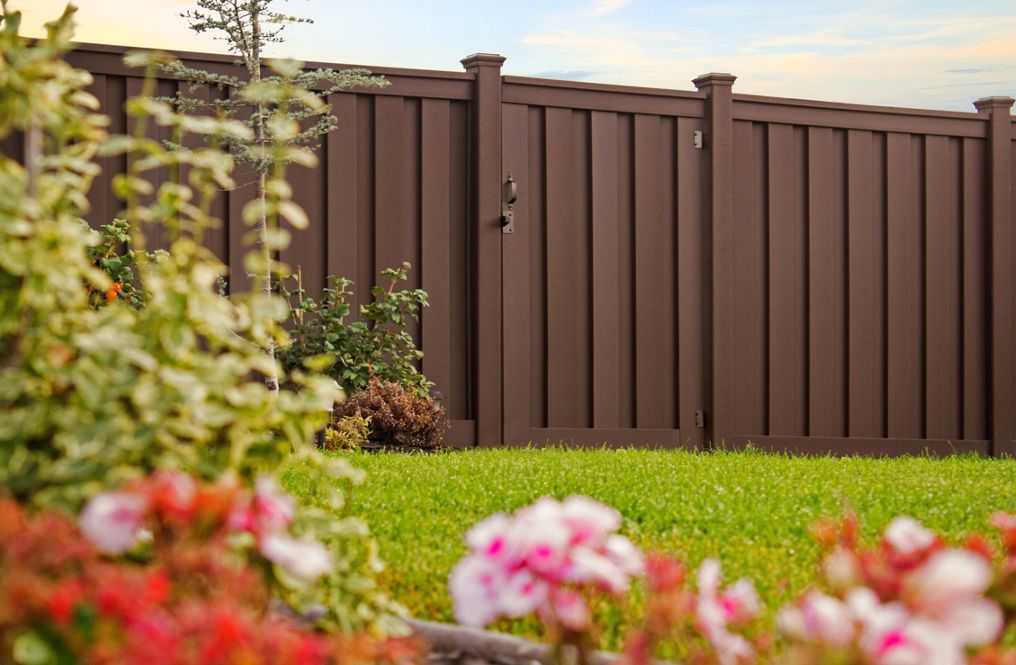
When your backyard looks out toward Lake Norman, a fence shouldn’t interrupt the view—it should frame it. That’s why homeowners are leaning toward ornamental aluminum, Trex® composites, and wood-composite hybrids that deliver structure without bulk.
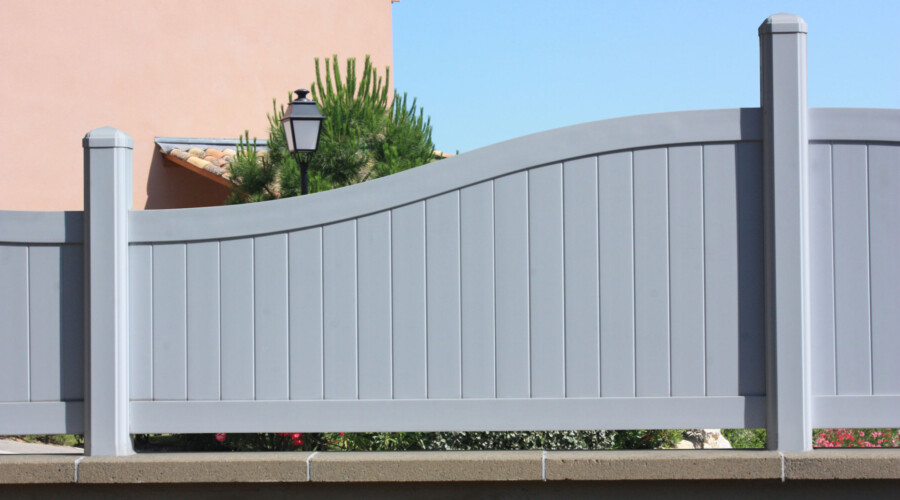
Aluminum is ideal for pool safety and waterfront homes. It’s lightweight, rust-resistant, and visually open. Composites suit newer developments where low-maintenance living is prized. Trex-style panels hold color through years of humidity and sun, and many HOAs list them as “preferred materials.”
Some homeowners still opt for natural wood—usually cedar or treated pine—but often pair it with black posts or aluminum rails to meet code while maintaining symmetry. The right mix depends on your home’s architecture and the aesthetic your community encourages. Whether you’re surrounding a lakefront patio or defining a pool deck, the guiding idea is the same: safety can still look stunning.
Look closely, and the best-designed backyards feel purposeful. Fence lines connect visually, creating the art of compliance-driven design: structure wrapped in subtle elegance.
Insider Advice from Reliable Fence Builders

Every HOA has its version of a “no-go” list, often longer than people expect. Common reasons fences get rejected? Wrong height, visible fasteners, non-approved stain color, or a design that breaks the neighborhood’s rhythm.
Picture a homeowner along Raceway Dr, proud of a new cedar privacy fence—until the HOA notice arrives citing non-compliance. The fix usually involves rebuilding sections or repainting to meet standards. A costly lesson.
Professionals avoid those pitfalls from the start. They draft shop drawings, include color samples, and communicate directly with review boards before installation begins. It’s a streamlined process that keeps homeowners from losing weekends to resubmissions.
Making Safety Look Seamless
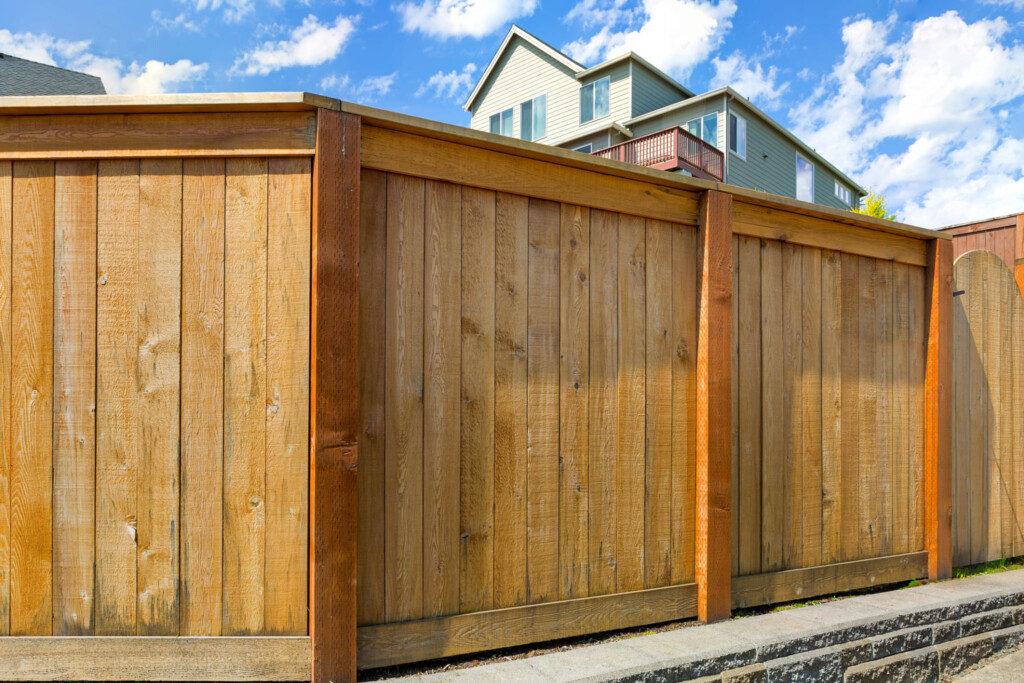
A fence doesn’t have to announce itself. The best ones become part of the landscape—something you notice only when you stop and look. In pool settings, that subtlety is everything.
Designers now work alongside pool contractors and landscapers to integrate barriers early in the plan. The result? Fences that follow patio contours, blend with stone coping, or align with garden borders rather than cutting across them.
Along Williamson Rd, where lakefront homes demand open sightlines, homeowners often choose clear-panel or aluminum designs that nearly disappear against the water. Paired with low-voltage lighting and matching deck railings, the entire scene feels cohesive and calm.
If you’re exploring which style fits your community’s aesthetic, check out our related article on Mooresville neighborhood fence styles and take a closer look at how design language shifts between subdivisions.
And remember, the right fence should feel inevitable, as though it always belonged there. That’s what sets a well-planned project apart from a quick install. Meet the standards, honor the view, and let craftsmanship do the rest.
Local Experts in Compliance-Driven Design
When rules and creativity have to coexist, experience matters. For more than three decades, our veteran-led, family-operated team has been guiding homeowners through the maze of permits and HOA approvals. We’ve seen every code update, every fence fad, every neighborhood nuance and they know how to translate regulations into design.
Clients call because they want more than a fence; they want craftsmanship that lasts. With TrexPro certification, a BBB A+ rating, and a two-year workmanship warranty, our team delivers the kind of assurance homeowners expect. From aluminum pool enclosures to custom composite builds, each project is engineered for both beauty and peace of mind.
Thinking about adding or updating a fence this season? Call (980) 223-3313 or schedule your free design consultation today.
Frequently Asked Questions
Are glass or clear-panel fences allowed around luxury pools?
Yes—tempered glass and acrylic fencing meet pool-code height and latch standards while keeping lake and garden views unobstructed. In neighborhoods near Williamson Rd, these transparent designs have become a favorite for modern homes that want openness without losing safety certification.
How long does the HOA approval process usually take near the Fountains at Mooresville Town Square?
Expect two to four weeks, depending on design complexity and your HOA’s meeting schedule. Submitting scaled drawings, color samples, and latch details usually accelerates approval.
What fence materials perform best in a humid lake climate?
Humidity and sun exposure around the 28117 area make powder-coated aluminum and composite fencing smart investments. Both resist corrosion and fading while staying within HOA design guidelines. Many homeowners mix materials—aluminum near the pool, composite along property lines—for durability and style continuity.
Can a homeowner handle their own HOA submission, or is it better to use a professional?
You can file it yourself, but professionals streamline everything: from code checks to engineering drawings. They already know each neighborhood’s quirks and review cycles. For most luxury properties, that convenience outweighs the DIY effort. If you’re weighing your options, it’s worth scheduling a design consultation first.

What Are the Pool Fence Requirements for Lake Norman Homes?
A pool adds luxury, relaxation, and stunning views but it also comes with serious safety and legal responsibilities. County and HOA regulations require it to be enclosed by a compliant barrier designed to prevent accidental access, especially for children and pets.
Many homeowners assume any stylish fence will meet the code, but Iredell County authorities pay close attention to details like height, spacing, latch placement, and gate direction. In communities near Morrison Plantation and along Williamson Road, even small deviations can lead to fines, failed inspections, or insurance issues.
The smart move? Work with Lake Norman pool fence experts who know the right materials and design, and can meet every safety standard while maintaining the upscale look your property deserves. It’s compliance and craftsmanship perfectly balanced.
Why Compliance Matters Around Lake Norman

Pool fences are the first line of defense for children, guests, and pets. Luxury homeowners often host gatherings that bring large groups to their property. Without a compliant fence, the risk of accidents rises dramatically.
Local enforcement is especially rigorous near Perth Road and estates surrounding The Point. Inspectors know these high-end communities have pools that attract attention, and they enforce NC Residential Code closely. Failing to meet requirements can also jeopardize insurance coverage. A claim after an accident may be denied if the barrier doesn’t comply.
Property value is another factor because non-compliance is a red flag during real estate transactions. Buyers expect peace of mind when investing in Lake Norman waterfront estates. A well-designed, code-compliant pool fence demonstrates responsibility, safety, and foresight.
North Carolina Pool Fence Requirements Explained

The Tar Heel State has clear, non-negotiable standards for pool barriers. Every luxury homeowner should be familiar with these rules before planning a project:
Height Minimums
A pool fence must be at least 48 inches tall, measured on the side facing away from the pool. This height creates a barrier that’s difficult for small children to climb while still looking balanced within a landscaped yard. Anything lower makes scaling the fence far too easy and defeats its purpose as a safety feature.
Gate Standards
Gates must be self-closing and self-latching, with latches positioned at least 54 inches above ground. The self-closing design ensures that even if someone forgets to pull the gate shut, it will swing closed on its own. The latch height keeps it out of reach for children, turning the gate into the fence’s strongest point instead of its weakest.
Ground Clearance
Gaps between the ground and the bottom of the fence cannot exceed 2 inches. A larger opening may seem harmless, but it can allow small children or pets to crawl under the barrier. Keeping the clearance tight ensures the fence functions as a true enclosure, not one with hidden escape routes.
Climb Resistance and Openings
No openings wider than 4 inches are allowed. This standard prevents kids from squeezing through spaces in pickets or rails and keeps them from using gaps as footholds to climb. It also removes entrapment risks, ensuring the fence protects rather than creates hazards.
For homeowners who want to read the official code, the North Carolina pool safety regulations provide full details. These standards apply whether your estate is near Morrison Plantation, along Cornelius Road, or tucked into a waterfront cul-de-sac.
HOA and Luxury Community Overlays
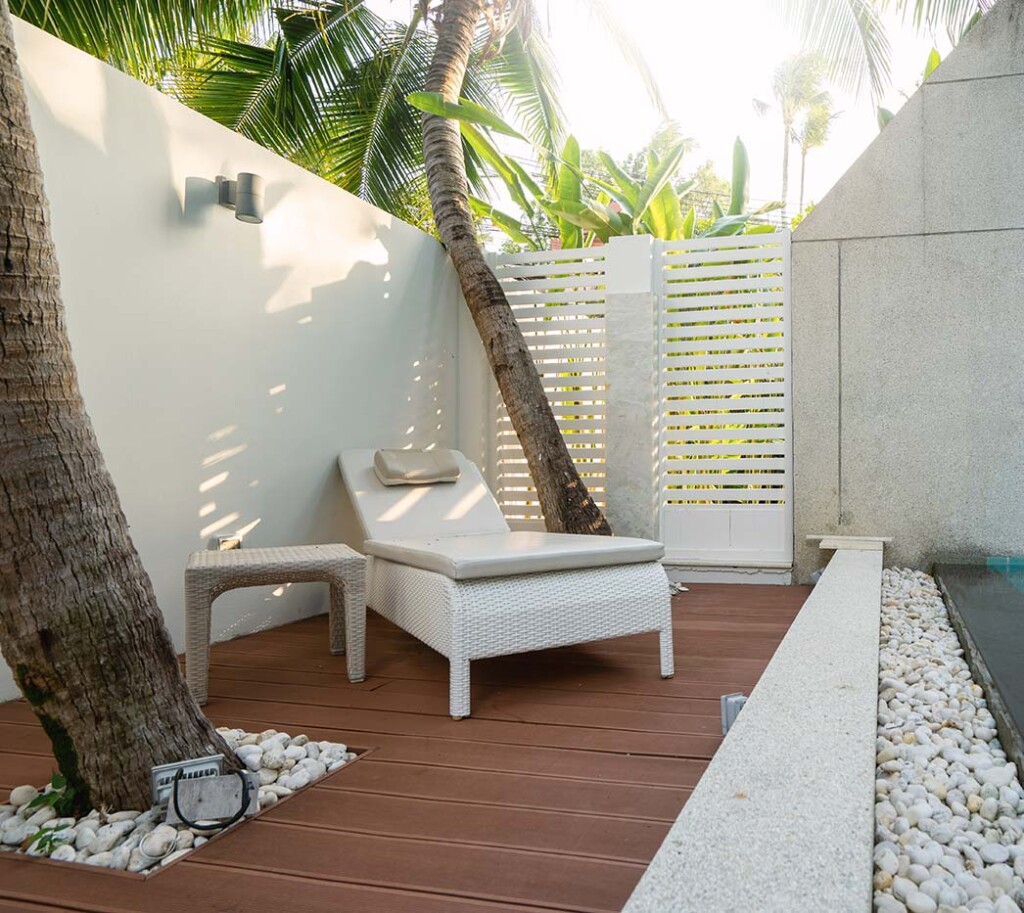
While state code sets the baseline, many Lake Norman communities go further. HOA rules can dictate not only the fence height but also the materials, finishes, and even color.
For example, The Point and neighborhoods near Trump National Golf Club often restrict homeowners to wrought iron or ornamental aluminum designs for a uniform appearance. A natural wood fence that passes state code may still be denied at the HOA level. This dual compliance is why relying on professionals matters.
To understand how aesthetics and safety intersect in premier enclaves, see our guide that explains how high-end design choices and HOA restrictions can work hand-in-hand.
Design & Materials: When Safety Becomes Elegance
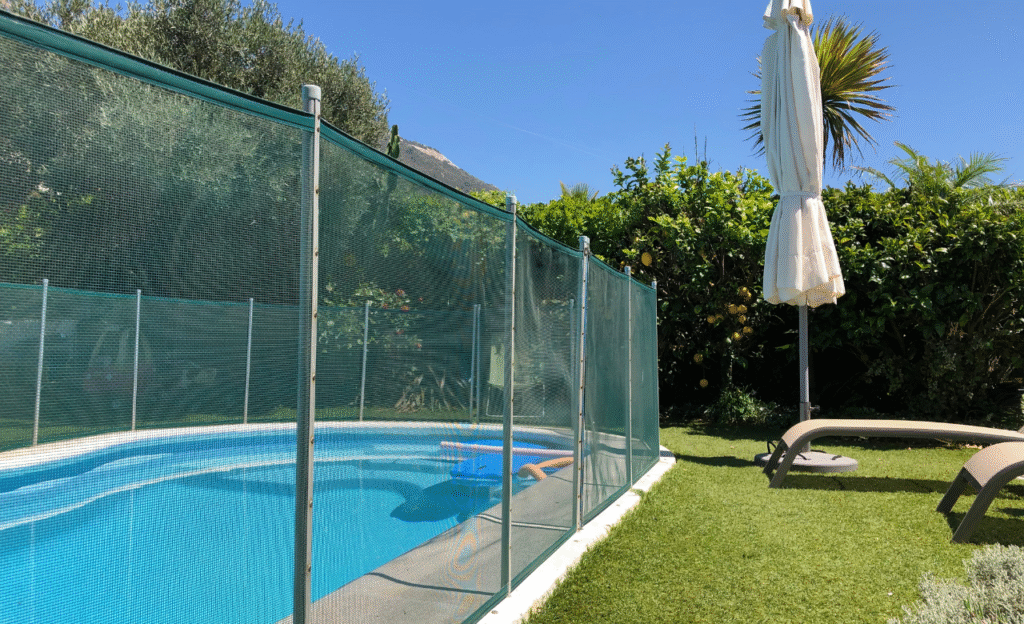
Meeting safety standards is not settling for generic solutions. The right materials and design choices can transform compliance into a design feature that enhances your estate.
Premium Materials:
- Wrought Iron & Aluminum: Timeless and elegant, perfect for estates near Brawley School Road. Both materials satisfy code and HOA requirements while framing the pool with sophistication.
- Tempered Glass Panels: Almost invisible barriers that allow uninterrupted views of Lake Norman’s waters. Ideal for infinity pools where scenery is part of the design.
- Composite Options: Durable, low-maintenance solutions that mimic wood’s warmth without the risk of warping or decay.
Design Integration:
- Step-down fences follow the slope of waterfront lots, blending with the terrain while staying within height compliance.
- Stone columns and landscaped buffers make safety unobtrusive, turning a requirement into an architectural element.
Common Pitfalls Luxury Homeowners Face
Despite the clear rules, many Lake Norman homeowners still run into costly mistakes:
- Assuming any backyard fence qualifies. A tall privacy fence may enclose a yard, but it can still fail pool safety requirements if it doesn’t meet clearance or gate standards.
- Installing non-compliant gates. Gates without self-latching hardware or with latches mounted too low are among the top reasons inspections fail.
- Skipping HOA approvals. In Morrison Plantation or luxury cul-de-sacs near Perth Road, HOAs often demand detailed submissions. Ignoring this step can lead to rejection even after the fence is built.
- Avoiding permits. Attempting to bypass the permit process may save time upfront, but inspectors can order fences removed if they aren’t approved.
AAA Fence & Deck regularly encounters these issues during consultations and knows how to prevent them from happening in the first place.
Safe, Stunning & Fully Compliant
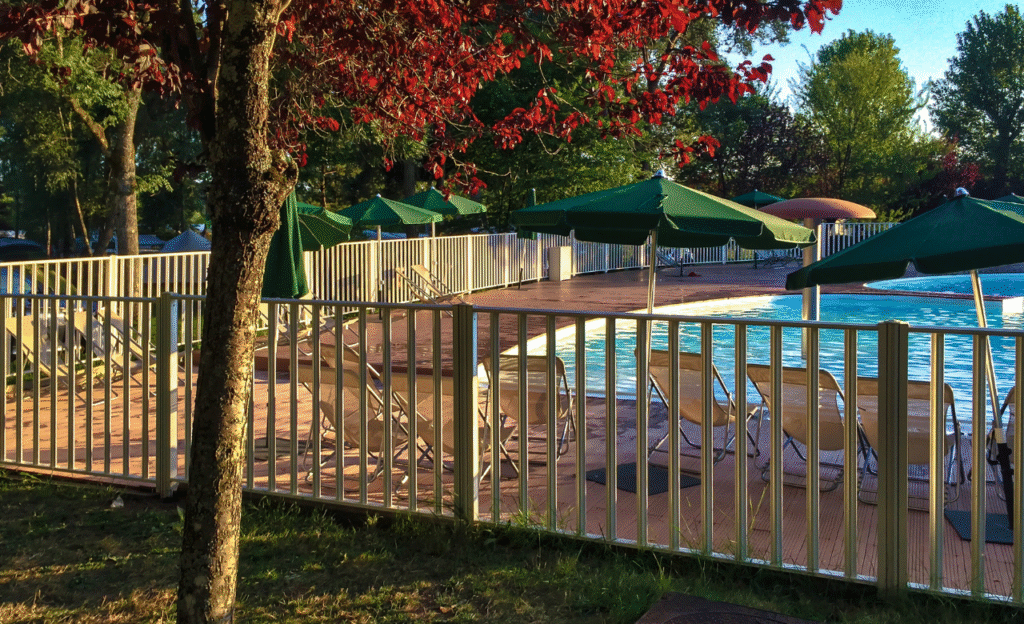
Pool fencing for luxury estates is never a “one-size-fits-all” job. It takes experience, design skill, and a deep understanding of both code and community standards. That’s where AAA Fence & Deck excels.
With over 30 years of experience and a reputation across regions, AAA has built more than fences; they’ve built trust. Their “No Questions Asked” workmanship warranty means peace of mind long after installation. They navigate state code, handle HOA approvals, manage permits, and deliver designs that merge safety with elegance.
Luxury homeowners from Williamson Road to the waterfront estates of The Point rely on AAA for custom solutions that work the first time. With a commitment to being a reliable fencing provider, they ensure that safety never overshadows style.
Call (980) 223-3313 today to schedule a consultation and see how your pool fence can be safe, stunning, and fully compliant.
Frequently Asked Questions
Do Lake Norman HOAs require different fence styles than the state code?
Yes, many communities, including The Point and luxury enclaves near Trump National, mandate ornamental iron or aluminum for uniform appearance. These HOA rules can be stricter than state law, so both sets of requirements must be met.
Which materials work best for luxury pool areas?
Wrought iron and aluminum remain the most HOA-approved and durable. For lakefront views, tempered glass offers elegance with transparency. Composite is another option for homeowners who want durability with a wood-like look.
How much space is allowed under a pool fence?
Clearance between the bottom of the fence and the ground cannot exceed 2 inches. This prevents small children or pets from crawling underneath.
Can AAA Fence & Deck manage permits and HOA approvals for me?
Absolutely. AAA specializes in handling permits, compliance paperwork, and HOA submissions. From initial design to final inspection, they streamline the process for Lake Norman luxury homeowners.

Fence Guidelines for Luxury Properties in Iredell County, NC
For homeowners of luxury properties, a fence is more than just marking property lines. It’s about creating privacy, enhancing architecture, and protecting what matters most. Whether your estate borders Lake Norman or sits along Brawley School Road, a thoughtfully designed fence can elevate your property’s appearance and value.
Understanding local regulations is key before you build. Iredell County has its own set of fencing standards that balance design flexibility with safety and neighborhood integrity. Knowing these rules helps ensure your project meets code and complements your home’s character.
To make the most of your investment, consider working with trusted local fence installers in Iredell County, because with their expertise you can achieve a look that’s both compliant and timeless.
Regulatory Advantages for Luxury Estates in Iredell
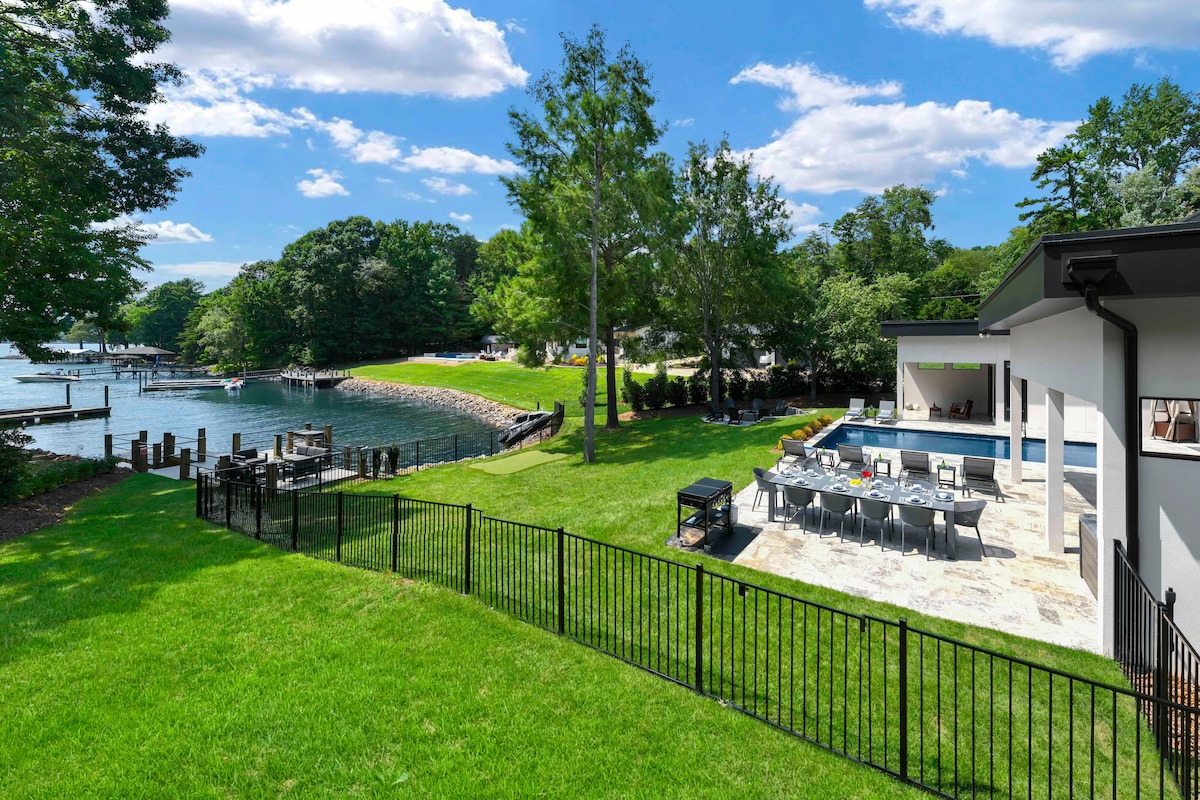
High-end property owners have three main advantages that make fence planning easier than in nearby counties:
- No Residential Setbacks
Many counties shift fences from property lines, but local rules allow standard residential fences to sit right on the boundary. Homeowners gain more usable yard space that can be used for extending a lawn or creating clear views across the estate. - Height Allowances Up to Eight Feet
Residential fences can reach eight feet without the hassle of special approvals. Taller fencing boosts privacy which is perfect for gardens, pools, and outdoor living areas. - Streamlined Processes
Instead of lengthy zoning reviews, the county’s simplified system minimizes delays. Luxury estates near Langtree or Trump National Golf Club usually face fewer hurdles. This helps move from design to full installation quickly, saving time and effort.
Permit & Compliance Essentials

Some situations need permits or extra oversight, even with county allowances.
Pool Enclosures: Any fence surrounding a pool must meet strict safety standards. These include regulated heights, self-latching gates, and clear visibility around the enclosure. For more details, see our guide on Lake Norman pool fence requirements.
Commercial Applications: Properties with mixed uses or large developments need extra review. This includes checking height, placement, and material choices. They often require sign-off from building officials before construction begins.
Driveway and Intersection Visibility: Fences by driveways or road crossings must keep clear sightlines for safety. Homeowners along or near busy routes should factor visibility clearances into their designs.
HOA Overlays: Premier communities such as The Point often impose stricter requirements. While eight-foot wooden fences may be allowed, HOAs may require wrought iron or uniform materials to maintain a cohesive look.
This dual compliance proves why partnering with experts matters as one mistake could mean rebuilding at your own expense.
Luxury Estate Considerations Beyond Code
Meeting county regulations is only the starting point. For high-end estates, the fence itself should enhance both architecture and lifestyle.
Design Integration
A modern lakefront estate could use sleek aluminum or glass fencing to match its stylish design. A colonial home, by contrast, might benefit from traditional wood stained to match shutters or trim.
Material Selection
Premium options dominate the luxury market. Wrought iron adds timeless charm, while exotic hardwoods provide warmth. Advanced composites mimic wood but resist weather. Moisture-resistant composites can last for decades with little maintenance. This is great for estates along Lake Norman’s shoreline.
Security Enhancements
Large estates often require more than a perimeter. Automated gates, reinforced posts, and integrated smart security systems are common additions. Properties that span several acres often have entry systems that balance safety and style.
Privacy with Elegance
The county’s eight-foot allowance supports a sense of seclusion. Along with hedges, trellises, or climbing vines, this combination softens the look and adds a touch of luxury.
Why Iredell County Attracts Affluent Property Owners
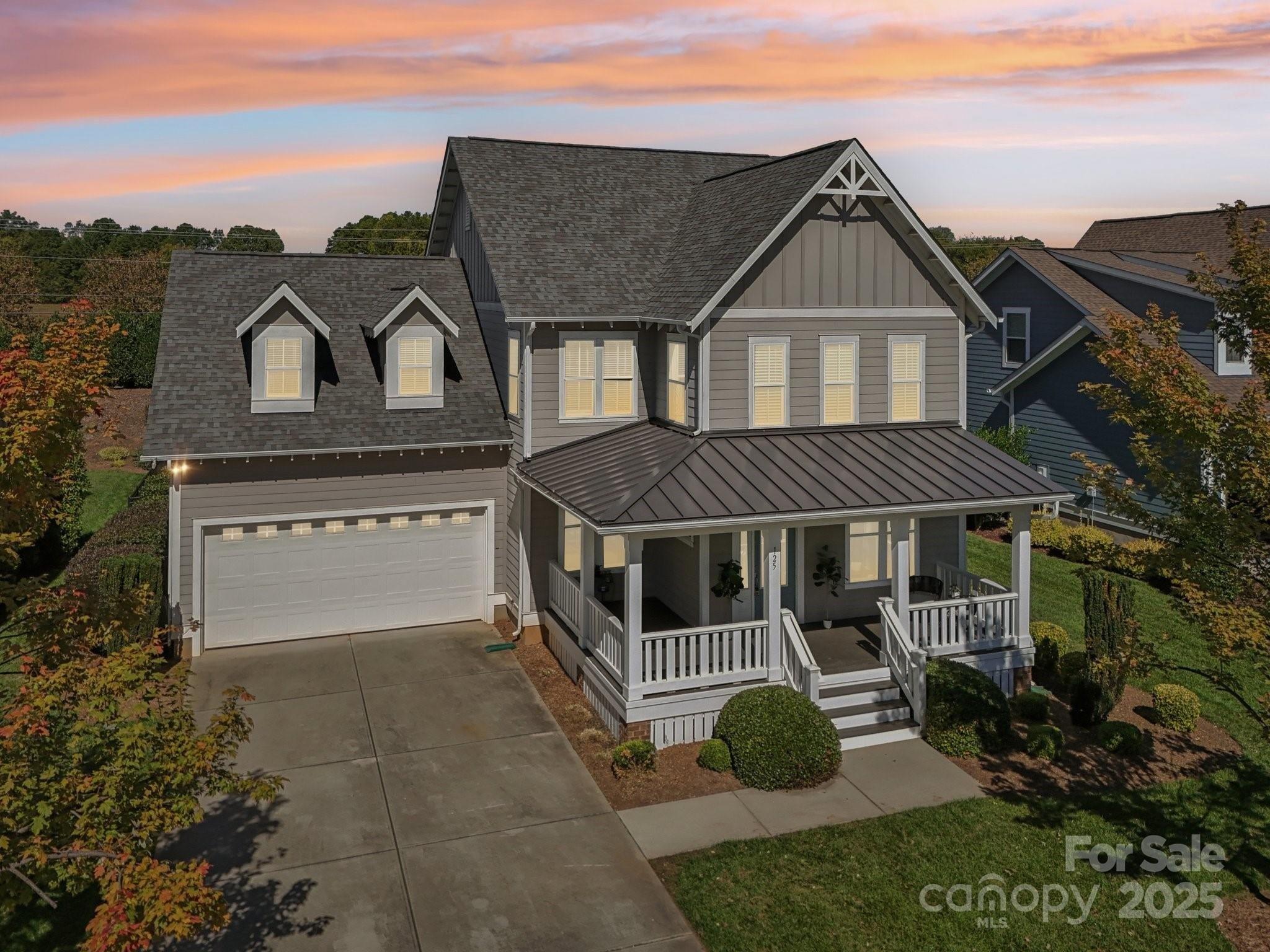
Iredell provides more freedom for estate development than Mecklenburg or Cabarrus counties. Stricter rules in those areas often limit building height, enforce setbacks, and cause long permitting delays. For high-end property owners, time is money and Iredell’s framework helps things move along smoothly.
These advantages definitely add measurable value. A well-made, legal fence boosts curb appeal, improves security, and raises property value. Waterfront properties near Morrison Plantation benefit from this balance of flexibility and oversight.
For official guidance on permits and inspections, check Iredell County Building Standards. They provide details for both homeowners and contractors.
Building Confidence Alongside Craftsmanship
Luxury fencing projects demand more than labor and lumber. They need to know local codes and HOA rules. They must also have craftsmanship that matches the estate’s quality. That’s why property owners on Brawley School Road, Perth Road, and nearby choose a reliable fence company for help.
AAA Fence & Deck has over 30 years of experience. We design and build using top-quality materials. We likewise handle all the paperwork, such as permits and HOA approvals to ensure your project runs smoothly from start to finish. Plus, with our “No Questions Asked” workmanship warranty, you get peace of mind and a stunning fence line.
When planning a fencing project for your luxury estate, don’t take chances. Call (980) 223-3313 to talk with a trusted fence company who knows the art and rules of luxury property fencing.
Frequently Asked Questions
Do luxury homes near Lake Norman need permits for new fences?
Yes, permits are needed in some cases such as pool enclosures or properties with commercial features. Always check local requirements before building to ensure compliance with relevant regulations.
How do HOA rules affect fencing in premier communities?
In luxury areas like The Point or near Trump National, HOAs often set their own rules. They may restrict the types of fence materials or require specific designs to achieve a cohesive look. Compliance with both county code and HOA standards is essential.
What materials work best for upscale fences?
Premium options such as wrought iron, exotic hardwoods, and high-grade composites are ideal for luxury estates. They deliver both longevity and elegance, matching the high standards of luxury properties.
Can a fence company assist with obtaining permits and designing the fence?
Yes, a professional fence company can design and install fences. They also manage permits, HOA submissions, and ensure code compliance. This ensures your project is stress-free and legally sound.
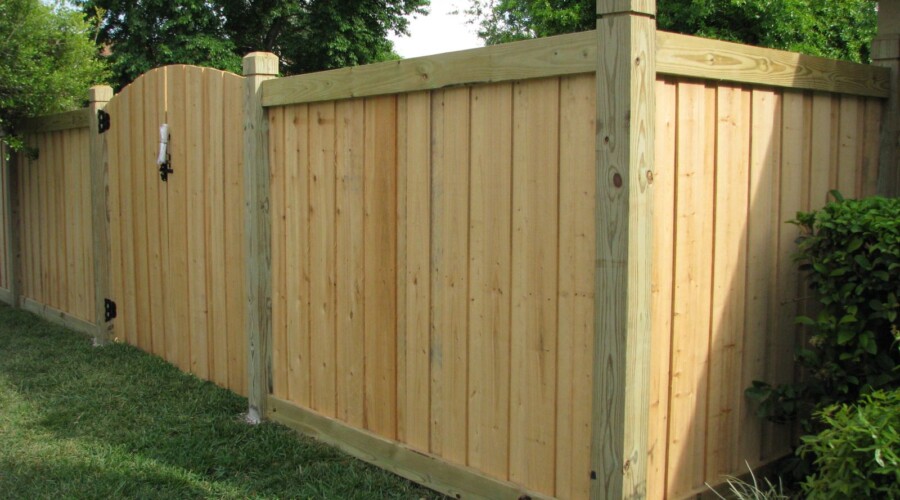
Hurricane-Proof Fencing for Lake Norman Luxury Homes
Life on Lake Norman is picture-perfect — glassy water, private docks, manicured estates.
But when hurricane season rolls through North Carolina, even the most stunning property can be vulnerable. Fences that once framed the view can crumble overnight.
For homeowners who’ve invested in a piece of the shoreline, a fence isn’t just for curb appeal. It’s the first line of defense for property value, privacy, and peace of mind. That’s where an experienced Lake Norman fence contractor makes the difference — building storm-ready fences designed to protect your home and preserve its style.
Storm Risks and Fence Protection in Lake Norman
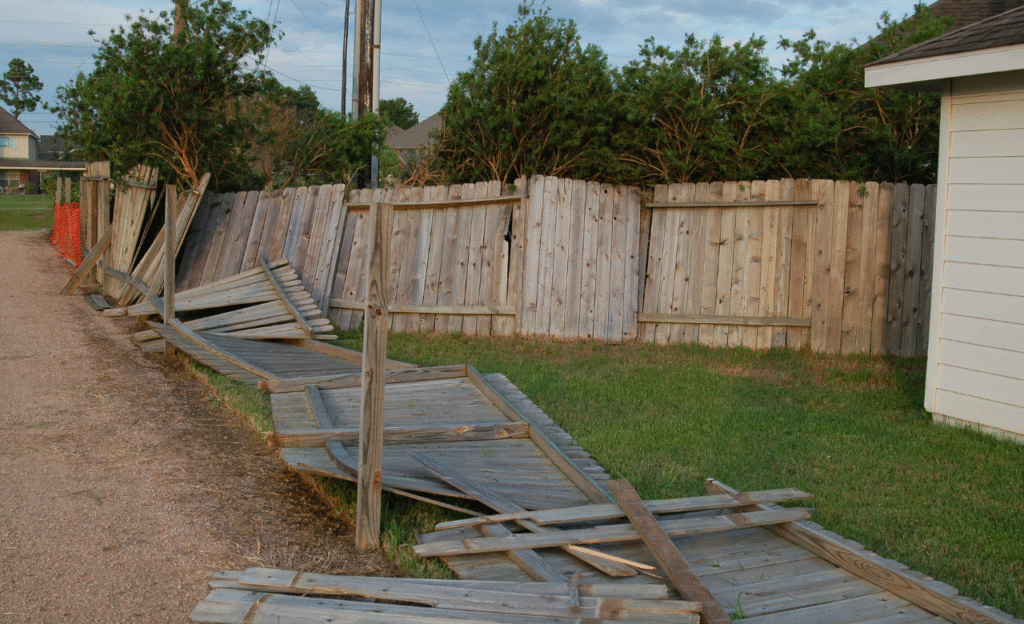
Life on the lake is serene until hurricane winds sweep across the open water. Homes near Brawley School Road or Morrison Plantation face direct gusts that can rattle windows and topple weaker fences. Further north, estates on Perth Road or near Stumpy Creek Landing often deal with flooding after long rains, putting extra strain on fence posts and storm-resistant installations.
Beyond structural damage, storms also bring practical and financial challenges. Insurance premiums may increase if fencing isn’t up to code. Homeowners associations in luxury neighborhoods often require fencing that is strong and matches community standards. For property owners with multimillion-dollar investments, a damaged fence is a big issue. It affects security, lowers property value, and harms the perception of stability.
North Carolina officials stress preparation as the first line of defense. For guidance, review the ReadyNC Hurricane Guide.
What Makes a Fence Hurricane-Proof

For hurricane-prone areas around Lake Norman, hurricane-proof fencing isn’t just stronger — it’s engineered from the ground up
- Reinforced posts and deeper footings: Set well below the frost line to resist uplift from storm winds.
- Wind-rated spacing: Allowing controlled airflow reduces the chance of a fence acting like a sail.
- Breakaway panels: Smart for waterfront properties; panels give way during flooding instead of pulling entire sections down.
- Strengthened gates: Gates are common failure points; reinforced frames and hardware keep them secure.
- Hidden anchoring systems: Deliver strength without compromising the clean lines luxury estates demand.
These features mean resilience without sacrificing beauty. A fence should look refined on clear days and remain standing on stormy ones.
Premium Materials for Luxury Properties

Storm resistance begins with materials built for endurance. For Lake Norman estates, durability and design must coexist.
- Aluminum & Steel: Sleek and corrosion-resistant, perfect for modern architecture. Powder-coated finishes maintain their elegance while resisting rust from constant moisture.
- Composite & Vinyl: Engineered for high wind ratings. These materials offer color consistency and minimal maintenance, making them ideal for large properties with expansive fencing.
- Exotic Hardwoods: FSC-certified tropical woods bring natural warmth and richness while resisting water absorption and warping.
- Custom hardwood fencing: Especially popular in communities like The Point near Trump National Golf Club Charlotte. Homeowners in that area often want natural finishes paired with storm-ready installation.
Smart Design for Storm-Resistant Living

When storms sweep across Lake Norman, the way a fence is designed can be the difference between a structure that holds its ground and one that gives way. Smart design choices ease pressure, guide wind and water, and offer lasting stability while keeping elegance intact.
Height and orientation matter. Taller fences often bear the brunt of wind gusts, acting like a sail. Adjusting the height and angle of fence lines can guide air around the structure. This helps prevent panels from snapping during storms.
Controlled airflow preserves strength. Privacy doesn’t require solid barriers. Slatted or semi-private designs allow air to pass through, balancing the luxury look with storm-ready performance. During high winds, these designs prevent the “wall effect” that commonly leads to collapse.
Drainage integration is essential. In neighborhoods along Cornelius Road or near waterfront cul-de-sacs, heavy rains can leave standing water that can weaken fence posts. Proper drainage systems help water flow away from footings, preventing soil erosion and keeping posts stable when the ground is soft.
Pool and waterfront safety codes add resilience. Pools and docks need fences that meet strict safety standards. By using reinforced anchoring and storm-rated gates, these fences not only follow the rules but also stay strong during bad weather.
A great design isn’t just beautiful. It also anticipates wind and water forces to ensure luxury fencing can protect valuable properties year after year. And for property owners struggling to balance beauty with regulation, see our blog on Iredell County luxury fence rules for estate property guidelines.
Why Lake Norman Homeowners Trust AAA Fence & Deck

Choosing the right fence is about assurance. AAA Fence & Deck combines luxury aesthetics with storm engineering to protect Lake Norman’s finest properties.
We are a veteran-owned, Trex Pro Certified, and fully insured fence installation company. We back every project with a 2-year, no-questions-asked warranty. From consultation and HOA approvals to design, permitting, installation, and final walkthrough, our process is transparent and client-focused.
Storms may be unpredictable, but your property’s defense doesn’t have to be. Protect your investment with a fence engineered for resilience and designed for elegance. Call (980) 223-3313 to schedule your storm-resistant fencing consultation with us today.
Frequently Asked Questions
Do I need a permit to install a storm-resistant fence in Iredell County?
Yes, Iredell County and nearby towns need permits for new fence installations. This is especially true for fences near waterfronts and pools. An experienced contractor ensures all zoning, HOA, and safety codes are met before construction begins.
How do hurricane-rated fences affect my property’s insurance coverage?
Insurance companies see hurricane-rated fences as lowering risk. This can boost your claims process and sometimes help keep your premiums steady. Always check with your provider for specifics.
Can luxury fences withstand both wind and flooding near waterfront homes?
Yes, reinforced posts and breakaway panels make fences strong against high winds. They also reduce damage from floods. Materials like vinyl, aluminum, and hardwoods resist water damage better than untreated wood.
Why choose AAA Fence & Deck for my Lake Norman property?
AAA Fence & Deck has decades of experience. As a veteran-owned company, it boasts a strong track record in North Carolina. The company combines engineering excellence with luxury design. Homeowners trust our transparency, warranties, and local expertise to deliver storm-ready elegance.
Lake Norman of Iredell Luxury Fence Design | Premier Communities
Life at Lake Norman of Iredell offers calm lakefront living with upscale neighborhoods. Every detail adds to the property’s prestige, from the architectural design to the outdoor spaces that highlight each estate.
For homeowners, a fence isn’t just a boundary; it’s a statement. The right design enhances privacy, protects large properties, and elevates the look of elegant buildings. It becomes an integral part of the lifestyle, offering both peace of mind and an elevated aesthetic that complements the home.
Choosing a trusted Iredell fence company means your project gets expert care and privacy. AAA Fence & Deck has decades of experience with luxury properties. We provide custom solutions that reflect the essence of Lake Norman and meet the high expectations of its residents.
Why Fencing Matters in Premier Communities
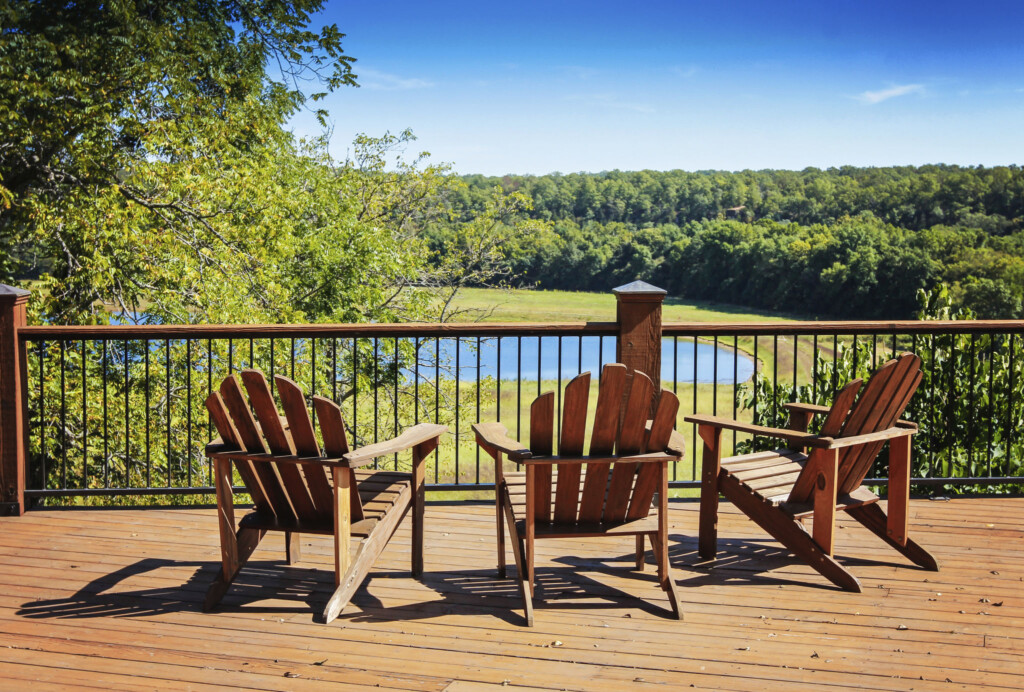
Privacy is priceless in Lake Norman’s premier neighborhoods. A well-made fence on big waterfront lots or quiet cul-de-sacs offers privacy. It keeps you secluded but still lets you enjoy the beautiful views. For CEOs, entrepreneurs, and NASCAR drivers who call the area home, that balance between privacy and prestige is part of daily life.
Security is also a concern. Properties with large acres or private docks need clear boundaries as they help protect your family and your investment. A sturdy fence is the first line of defense, and it also keeps the elegance these communities are known for.
Curb appeal is equally important and that’s why fencing should match the style of the estate. Whether it’s a Tuscan villa, a modern glass-front lake house, or a classic Southern manor, it needs to impress. When done right, it becomes an architectural extension of the home itself.
Local Regulations That Favor Creativity
Building a luxury fence usually begins with local codes. However, Iredell County offers homeowners more design freedom than many other places.
- Residential fences have no setback requirements. Property owners can fully utilize their lot size without relocating the fence.
- Fences can be up to eight feet tall to give more privacy to large properties and gated communities.
- HOAs in neighborhoods like The Point and The Farms still set their own expectations. Designs must meet community standards while reflecting the individuality of each estate.
These rules can be reviewed by homeowners under the Iredell County fence regulations.
Popular Luxury Fence Styles Around Lake Norman
Every estate has its own character, and the fence should match it. Here are the styles most requested in Lake Norman’s luxury communities:
- Custom wood fencing with rich stains is perfect for wooded estates. These fences combine rustic warmth with refined craftsmanship.
- Decorative aluminum fencing is often used for waterfront homes. Aluminum offers strength and openness that allow homeowners to keep their lake views and enhance security.
- Stone and composite combinations create a striking effect that mirrors the architecture of multimillion-dollar residences.
- Automated gates and entryways are for homeowners who value both discretion and grandeur. Motorized gates with custom ironwork or lighting make a dramatic first impression.
For those living on the water, storm-resistant construction is just as important as aesthetics. Explore more about safeguarding your investment in our blog on storm-resistant luxury fencing solutions in Lake Norman.
Design Considerations for Affluent Homeowners
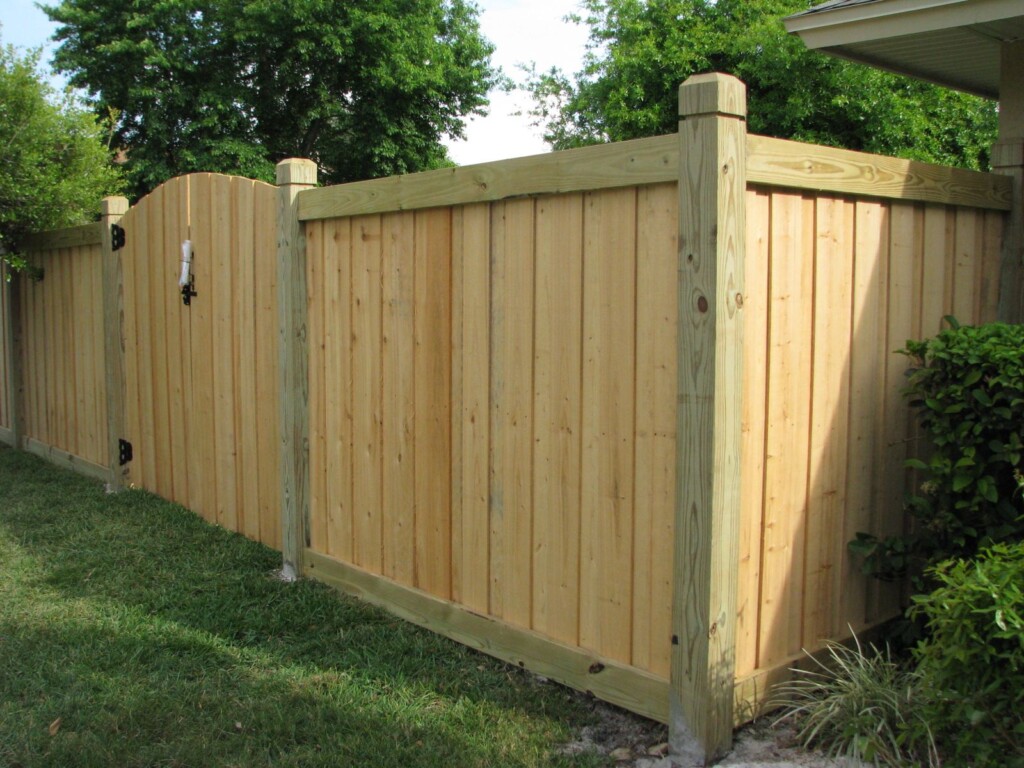
Designing for luxury requires thinking beyond simple materials. Affluent homeowners expect fences to work seamlessly with every aspect of their property.
- Integration with outdoor areas: Fences should enhance pool enclosures, outdoor kitchens, or gardens. They should help frame a unified and attractive space.
- Sustainable materials: Select great and eco-friendly options such as FSC-certified wood or recycled composites.
- Customization options: Lighting fixtures, automated gates, and handcrafted details add personal flair. These elements transform a fence from functional to truly bespoke.
- Low-maintenance construction: In humid North Carolina summers, choose materials that resist fading, warping, and mildew. This keeps properties looking good for years.
Neighborhood Spotlights

Lake Norman’s luxury is not one-size-fits-all. Each community carries its own signature, and fencing solutions must adapt accordingly.
- The Point: This neighborhood features Trump National Golf Club Charlotte. It needs designs that mix privacy and elegance smoothly. Decorative aluminum paired with custom wood panels is common here.
- The Farms: These large lots feature tall fences. They often have composite or stone accents that boost privacy and durability.
- Morrison Plantation and Brawley School Road corridor: These areas mix family life with a touch of elegance. Decorative fencing that integrates with community amenities works especially well.
- Stutts Marina area: Waterfront estates often use open aluminum or custom cable rail systems. This keeps lake views clear while ensuring safety.
By tailoring fences to each enclave, they become more than boundary markers. They reflect the lifestyle of the community itself.
Transform Your Lake Norman Estate’s Boundaries
AAA Fence & Deck approaches luxury fencing with the same precision and care that has defined the company for more than 30 years. As a veteran and family-owned business, they combine craftsmanship with trust, offering a two-year workmanship warranty with no questions asked.
Their process is designed with the homeowner’s convenience in mind because every step is handled in-house. With Trex Pro certification and a portfolio of premium projects, AAA has become the go-to fence contractor for estates around Lake Norman.
Call 980-223-3313 or visit us to schedule your private design consultation today.
Frequently Asked Questions
Are there height or setback limits for fences in Iredell County?
Yes. County rules permit residential fences to be up to eight feet tall, and they typically don't require adherence to setback rules. However, visibility requirements near intersections must still be met.
Do HOAs in The Point or The Farms allow custom fences?
Most HOAs welcome custom fences as long as they align with community standards. AAA Fence & Deck works closely with HOAs in these neighborhoods to get approvals before starting construction.
Which materials last longest in Lake Norman’s humid climate?
Aluminum and composite materials are highly resistant to humidity and require minimal upkeep. Premium stained wood is popular for its warmth, but it requires periodic sealing to maintain its longevity.
How do I start a custom fence project with AAA Fence & Deck?
Begin with a design consultation where the team reviews your goals, property layout, and HOA requirements. From there, AAA handles permitting, design, and installation backed by a two-year warranty.
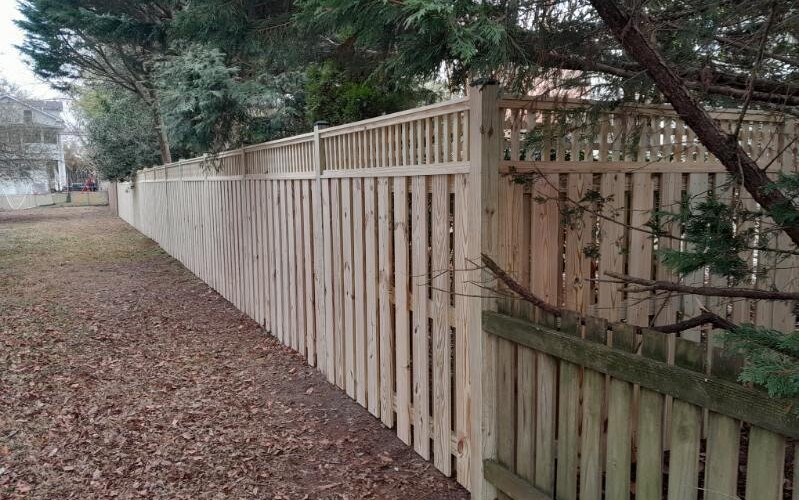
What are the fence height rules for Raleigh? Setback Requirements by Property Type
Building a fence means more than just setting posts and nailing boards—it also requires understanding Raleigh fence height rules and setback requirements.Without following those guidelines, a fence installation can lead to costly delays, unexpected fines, or even being torn down entirely.
The good news is that Raleigh’s Unified Development Ordinance (UDO) provides clear standards, but the technical language can be confusing for the average homeowner. What’s needed is a straightforward explanation that turns complicated code into practical guidance.
In this article, we’ll break down the essentials of where and how high you can build, from quiet side streets in Oakwood to busy corridors like Western Boulevard, so you can move forward with confidence.
Why Fence Rules Matter
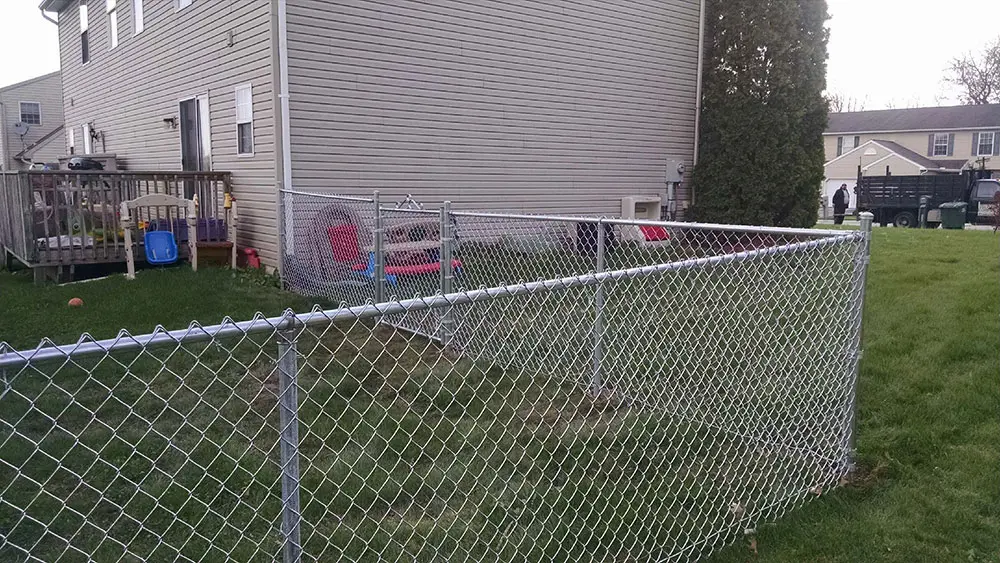
Fence regulations aren’t about making life harder for homeowners. They’re about keeping streets safe, protecting property values, and maintaining the character of Raleigh’s diverse neighborhoods. In areas like Five Points or Cameron Village (Village District), fences that exceed height limits can block views, create hazards for drivers, or clash with the neighborhood’s design.
Ignoring these rules can bring serious consequences. The city can issue stop-work orders, impose fines, or require the removal of the fence entirely. By following the code, you avoid legal headaches and create a safer, more attractive property that strengthens neighborly goodwill.
General Fence Height Rules in Raleigh
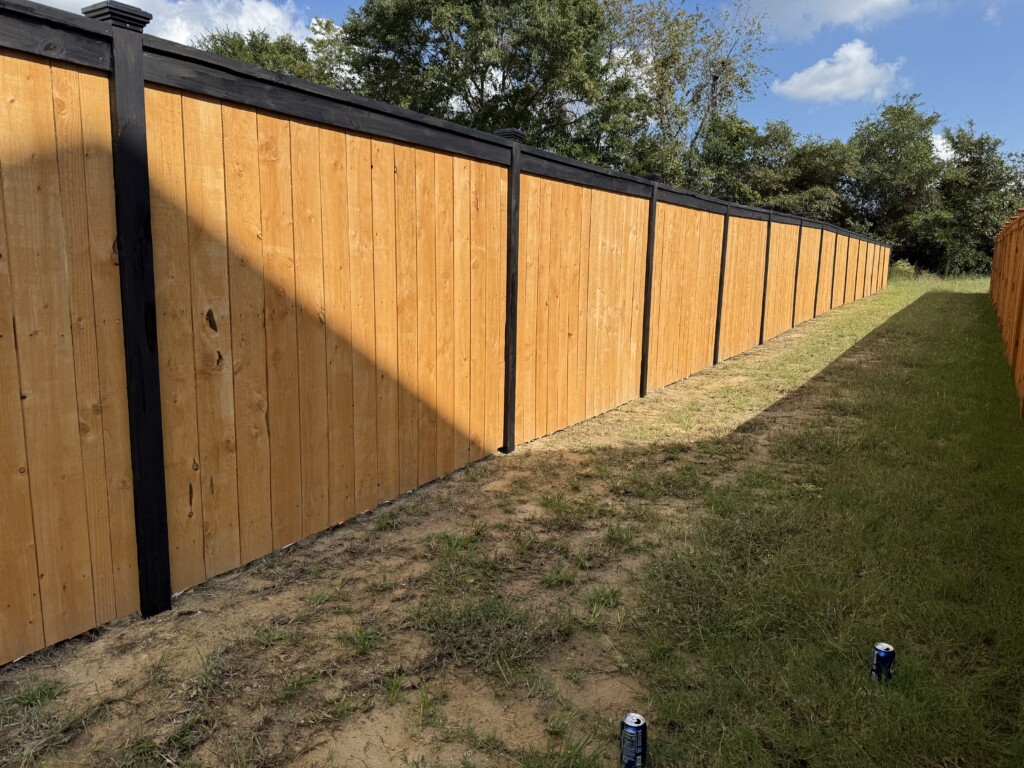
The city sets fence height rules based on yard placement and visibility.
Front Yards
- Maximum fence height: 6.5 feet.
- Any fence taller than 4 feet must be at least 50% see-through. Think of picket fences with spaced slats, like those often found in Boylan Heights.
Side and Rear Yards
- Fences can reach up to 8 feet in many zoning areas. That’s why neighborhoods such as Stonehenge or Falls River often feature tall wooden privacy fences.
Opacity Requirement The city requires certain fences to remain “open.” That means using evenly spaced pickets, latticework, or designs that let you see through the fence.
For more detail, the official Raleigh UDO fence regulations provide full technical definitions.
Property-Specific Setback Considerations
Fence rules shift depending on your property’s layout. Here’s what you need to know:
Corner Lot Guidelines
If your property is on a corner, such as those in Glenwood-Brooklyn or Oakwood, sightlines are important for both drivers and walkers. The city enforces a “sight triangle,” meaning no tall, solid fencing can block the view near intersections or driveways. This ensures that drivers turning onto side streets can see oncoming cars and pedestrians.
Thoroughfare & Special Street Restrictions
Properties on main roads like Capital Boulevard, Western Boulevard, or Six Forks Road have additional rules. Fences usually need to be 10 to 20 feet from the property line to help with traffic visibility. It is also to give a uniform look along Raleigh’s busiest streets.
Residential vs. Commercial Properties
The city distinguishes between residential and commercial zoning:
- Residential properties: Families in Brentwood or Cameron Park might prefer taller backyard fences because they offer more privacy and help create play areas. The city permits this, but still enforces rules regarding front yard openness.
- Commercial properties: Areas near Triangle Town Center or Crabtree Valley Mall can use taller fences or walls for security, but design and material rules are stricter.
- HOAs: In subdivisions like Wakefield Plantation, homeowners must meet both city code and HOA requirements.
Fence Materials & Design Compliance
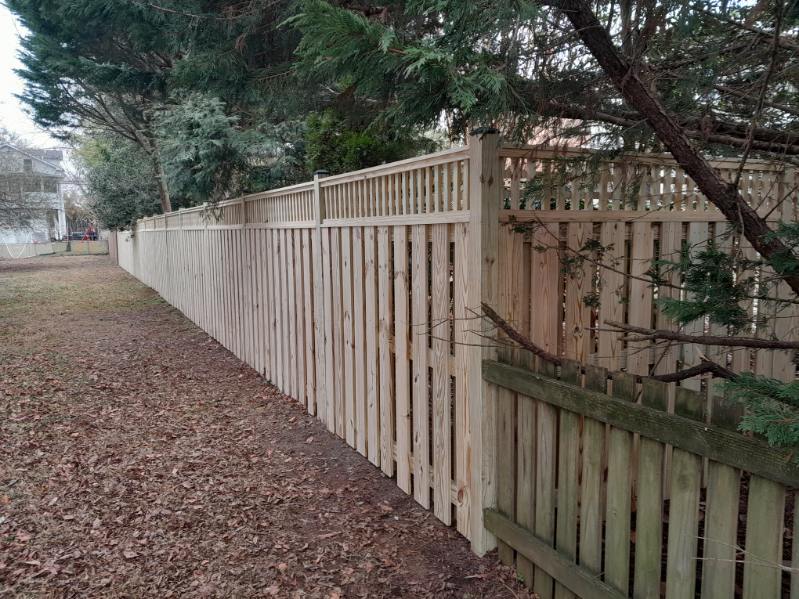
Raleigh doesn’t just regulate fence height; it also sets standards for design and materials.
Allowed Materials
- Wood, vinyl, composite, aluminum are all common in North Raleigh suburbs.
- Each material must still comply with openness rules where required.
Restricted or Prohibited Materials
- Barbed wire or electric fencing is only allowed in agricultural or special industrial areas.
- Chain link fencing may be restricted in front yards in some neighborhoods for aesthetic reasons.
Permits, Inspections & HOA Approval

Fence permits aren’t always required, but they’re critical in certain situations. If your design exceeds 6 feet, fronts a thoroughfare, or sits on a corner lot, a permit is likely necessary. The city will check compliance with height, setback, and material standards before approving construction.
In addition, HOAs in neighborhoods like Brier Creek, Stonebridge, and Falls River often require prior approval. Their rules may be stricter than city code, so you’ll need both HOA and city clearance before work begins.
Read our blog on Raleigh Fence Permit Requirements | Complete Guide for Homeowners to learn more.
Common Mistakes to Avoid
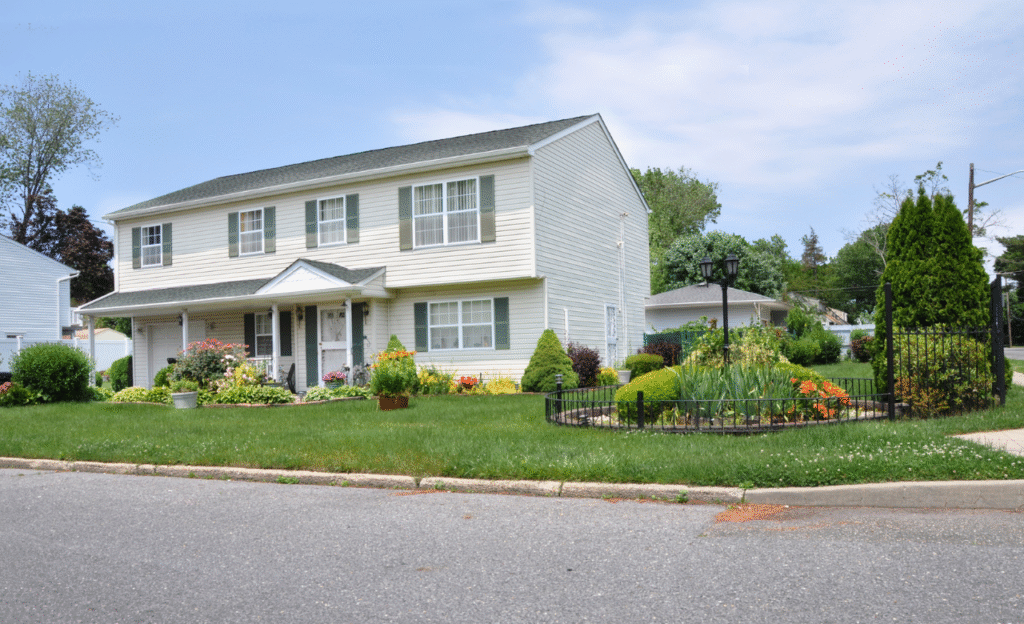
Even well-intentioned homeowners slip up on fence rules. The most common mistakes include:
- Building a solid 6-foot fence in a front yard, especially in high-visibility areas like Cameron Village.
- Ignoring the visibility triangle on corner lots near intersections like Creedmoor Road and Glenwood Avenue.
- Forgetting HOA approval in subdivisions such as Wakefield Plantation.
- Skipping permits for fences on major roads like Capital Boulevard.
Building Smart, Building Safe
Raleigh’s fence rules aren’t roadblocks but safeguards to protect your property value, keep your neighborhood safe, and avoid frustrating setbacks.
If you are ready to move forward with your fence plans, call AAA Fence & Deck at (984) 333-5313 or visit us to schedule your free consultation. With more than 30 years as a local fence company and a “No Questions Asked” warranty, we make compliance effortless so you can enjoy the privacy, safety, and beauty of your new fence without the stress.
Frequently Asked Questions
Do I need a permit for a backyard fence?
Many side or rear yard fences under 6 feet don’t require permits. But in communities like Wakefield or Falls River, taller fences or fences on corner lots may trigger both city and HOA approvals.
How far back does my fence need to be from the street?
If your property fronts thoroughfares such as Western Boulevard or Capital Boulevard, the city requires setbacks of 10–20 feet. This ensures clear sightlines for drivers and a uniform look along major roads.
What happens if I build a fence without HOA approval?
Your HOA can fine you, demand modifications, or require removal. In Brier Creek, for example, HOA standards exceed city code, that is why it’s important to get written approval before construction begins.
Can AAA Fence & Deck manage all the permits and HOA paperwork?
Yes. Our team works directly with Raleigh’s planning office and local HOAs to handle compliance, permits, and inspections, saving you time and reducing risk.
Fence Etiquette Raleigh Neighborhoods | Good Neighbor Guidelines
Fences mark the edge of your yard, and they can also change how your home looks, how private you feel, and even how your neighbors see you.
Homeowners know one fence can set the tone for an entire block, for better or worse. A thoughtful design brings value to your home and respect from your neighbors, but a poorly handled project can create disputes that last years.
At AAA Fence & Deck, we’ve seen property line mix-ups, disagreements over height, even small misunderstandings that grew into big frustrations. With more than three decades of experience, we believe building the right fence means building better relationships too.
If you’re planning a new fence installation in Raleigh, here’s what you need to know to keep both your home and your community strong.
Start with the Property Line
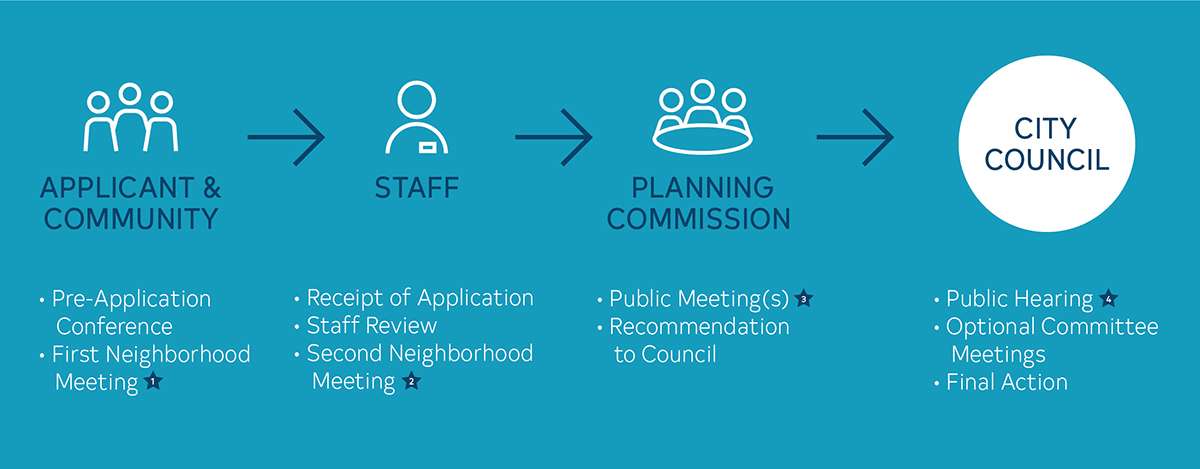
The first step in fence etiquette is to know exactly where your property ends as guessing or “eyeballing” the line can cause headaches later. Consider this when you are in areas like Hidden Valley where older plats sometimes make it tricky to figure out true boundaries. That’s why a professional survey is worth every penny.
City rules also play a role. Every yard has setback requirements that tell you how close a fence can be built to the property edge. Ignoring those rules can lead to fines or worse, having to tear down a brand-new fence. Review the Raleigh zoning ordinances before you dig the first post to make sure your project follows the law. You can also work with a trusted provider to verify placement during the planning stage, saving time and avoiding future disputes.
The “Good Side Out” Rule
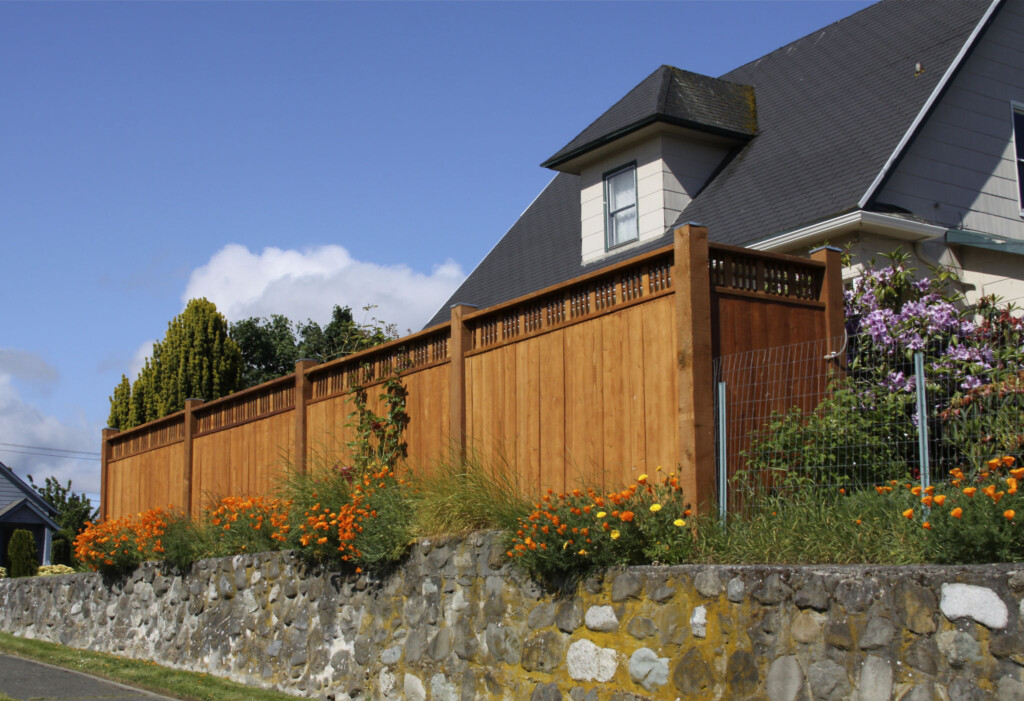
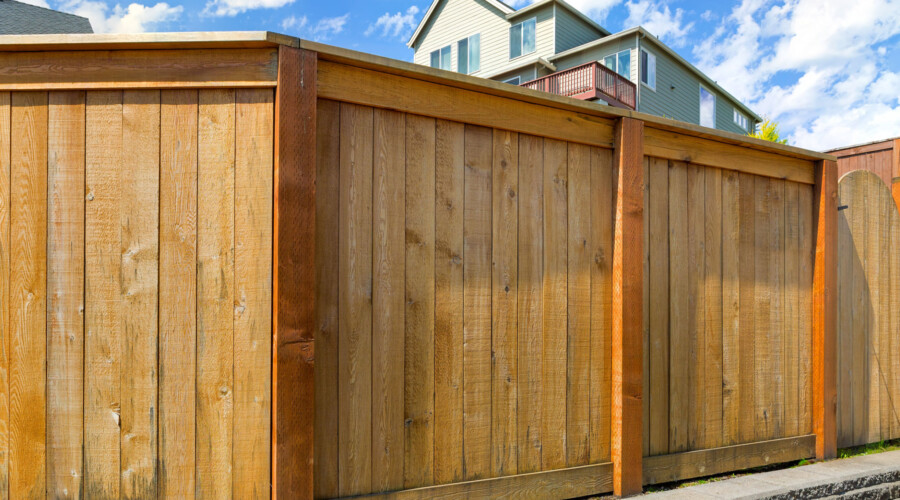
One of the simplest, but most important, parts of fence etiquette is the “good side out” rule. The finished, polished side of the fence should face your neighbors or the street, while the structural side with posts and rails faces inward.
This is especially true in historic neighborhoods like Oakwood and Boylan Heights, where appearance standards are part of the community’s charm. Even outside those areas, showing the best side to the public helps your whole street look better and it signals respect for those living next door.
Talk It Out with Neighbors
Even if you’re building fully within your rights, surprising a neighbor with construction noise or a sudden new fence is rarely a good idea. In places like Highland Creek, where houses sit closer together, early communication goes a long way.
A short conversation before the project begins can smooth out potential friction. Bring up questions like:
- What type of material works best for both yards?
- Would a certain height block their view or sunlight?
- Are they open to sharing part of the cost?
Most neighbors appreciate being included, even if the decision is ultimately yours. It shows thoughtfulness, and that goodwill often pays off later when other shared issues arise.
Shared Fences & Agreements

Sometimes, two neighbors benefit equally from the same fence. That’s common in tight-lot areas such as Cameron Village (now Village District), where shared boundaries make collaboration almost unavoidable.
Get the details in writing if you agree to split the cost. It doesn’t need to be a formal contract, but a signed note about who pays what and how future repairs will be handled prevents confusion.
To understand the legal side, check our related blog: Raleigh Fence Height Rules | Setback Requirements by Property Type which covers property types and regulations that may affect shared fences.
Handling Disputes Diplomatically
Not every project goes smoothly. Homeowners on Mallard Creek Church Rd, where lot sizes vary, often face disagreements about style, height, or privacy concerns. The key is to address issues calmly and step by step.
- Start with a conversation. Sometimes explaining your reasoning is all it takes.
- Bring in a neutral party. A homeowner’s association or neighborhood mediator can help.
- Seek city guidance. Raleigh officials may step in if the disagreement involves zoning or setbacks.
- Legal action as a last resort. Court should be the final option, not the first.
Neighbor Courtesy in Fence-Building

By treating fence building as both a process and an ongoing responsibility, homeowners in Raleigh ensure their investment strengthens the neighborhood rather than creating conflict.
Courtesy During Construction
Construction noise, trucks, and equipment are unavoidable. Still, managing them shows respect for the community, especially in busy places like Brier Creek and North Hills. Work should take place during standard daytime hours, and materials need to be stored neatly without blocking driveways or sidewalks. If access to a neighbor’s side is necessary, giving notice first avoids unpleasant surprises. Small gestures like these maintain goodwill and keep the focus on the positive outcome of the project.
Care After the Build
Fence etiquette doesn’t end once the posts are set. In neighborhoods near the Barton Creek Greenway and other communities where outdoor pride runs high, upkeep is just as important as the initial build. A fence left to warp, lean, or rot can lower property values and strain relationships. Regular staining, sealing, or replacing damaged boards after a storm signals responsibility and respect for the shared environment.
Building More Than Fences—Building Community
A fence is more than wood, vinyl, or aluminum. It’s a structure that can either create distance or build harmony. By following simple etiquette guidelines, you create a positive impact that lasts.
AAA Fence & Deck has been helping Raleigh homeowners build strong, beautiful fences for more than 30 years. As a veteran-owned, family-run company, we believe in craftsmanship and community values.
Call us at (984) 333-5313 or visit us to schedule your free consultation
Frequently Asked Questions
How tall can my fence be in Raleigh neighborhoods?
Most residential areas allow fences up to six feet in the backyard and four feet in the front yard. Always confirm with local rules or neighborhood guidelines.
What should I do if my neighbor disagrees with my fence plans?
Listen to their concerns first. Offer compromises on style, placement, or height. If issues remain, involve an HOA or mediator before seeking legal action.
Can neighbors share the cost of a fence?
Yes, many do. A simple written agreement about payment and maintenance keeps everyone on the same page.
What are the key etiquette guidelines for fence building in Raleigh?
Communicate early, keep the good side out, respect construction hours, and maintain the fence once it’s built. These steps foster goodwill and help your fence be a positive addition to the community.